
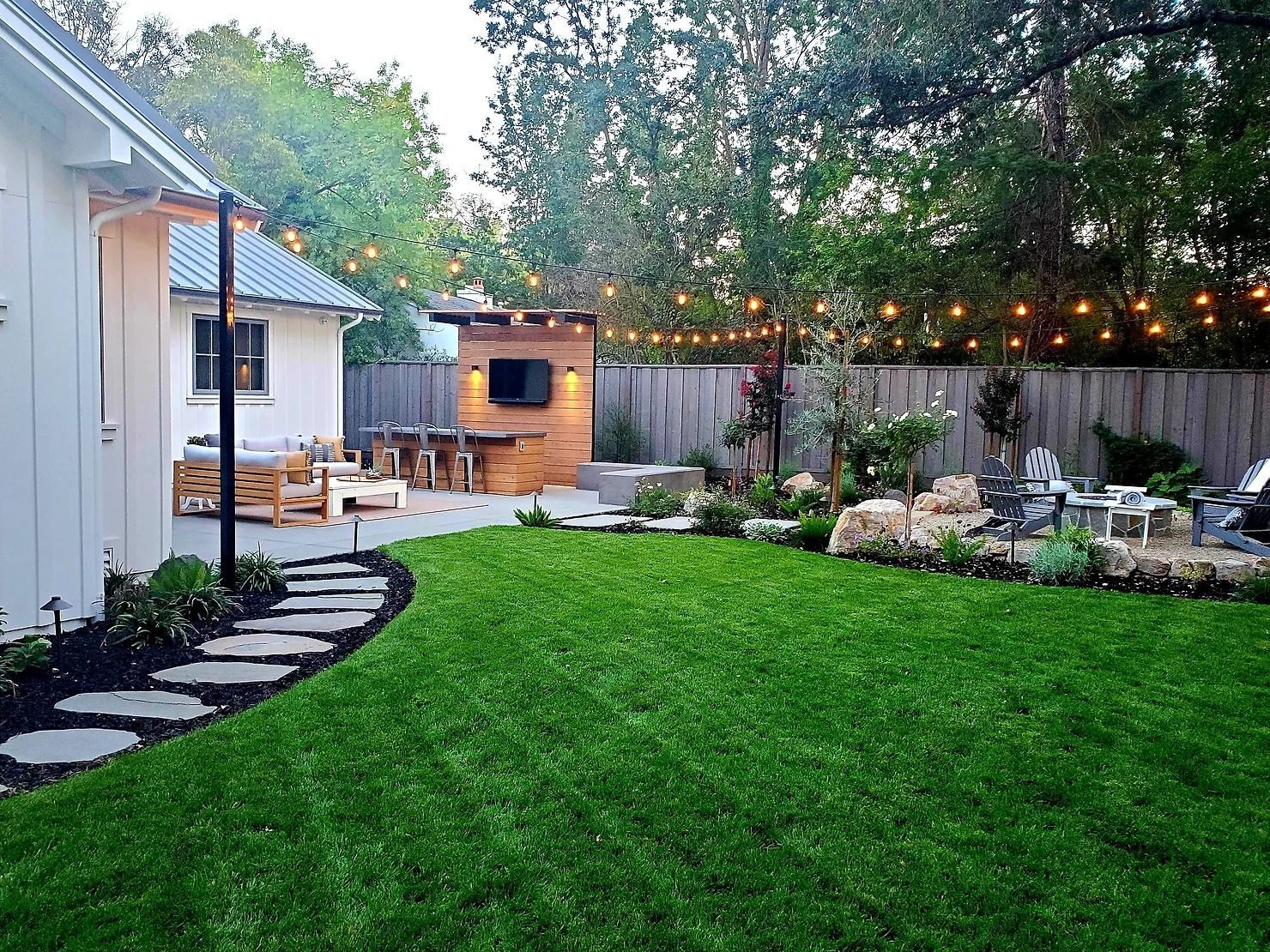
How Backyard Remodeling Can Transform Your Outdoor Living Space
A backyard can be much more than an open area behind your home. With thoughtful planning and the right improvements, it can become a comfortable place for family gatherings, outdoor dining, relaxation, and everyday enjoyment. However, many homeowners have outdoor spaces that are underused because of poor layouts, uneven ground, limited seating, drainage problems, or outdated landscaping. Backyard remodeling offers an opportunity to address these issues while creating an environment that better suits your lifestyle.
Choosing professional backyard landscape remodeling services can help homeowners turn an ordinary yard into a practical and attractive outdoor living area. From installing patios and improving landscape layouts to adding retaining walls and creating dedicated entertainment spaces, a well-planned renovation can improve how the entire property looks and functions. The key is to balance appearance, usability, durability, and long-term maintenance.
Understanding What Your Backyard Needs
Before starting a remodeling project, take time to evaluate how your existing outdoor space is being used. Consider whether you need more room for entertaining, a comfortable area for relaxing, a safe place for children, or a better connection between your indoor and outdoor living areas. Identifying your priorities makes it easier to develop a design that addresses real household needs.
The condition of the existing landscape also matters. Sloping ground, poor drainage, compacted soil, overgrown plants, and worn-out hardscape features can affect both appearance and functionality. Addressing these problems early can prevent complications during construction and help ensure that new improvements perform properly.
Creating Functional Outdoor Living Zones
One of the most effective ways to transform a backyard is to divide it into functional areas. Instead of treating the entire yard as one open space, homeowners can create separate zones for dining, entertaining, gardening, and relaxation.
Outdoor Dining and Entertainment Areas
A dedicated patio provides a stable and comfortable surface for outdoor furniture, dining tables, and gatherings. Its size and placement should reflect how many people typically use the space and how much room is needed for movement. Positioning the patio near the house can also make food preparation and serving more convenient.
For homeowners who frequently entertain guests, additional features such as built-in seating, outdoor lighting, and designated cooking areas can make the space more practical. These elements should be planned together so that the finished layout feels organized rather than crowded.
Relaxation and Garden Spaces
Not every backyard improvement needs to focus on entertaining. A quiet seating area surrounded by plants, decorative stone, or carefully selected trees can provide a peaceful place to unwind. Garden beds and landscape borders can also introduce natural color and texture while creating visual separation between different areas.
Choosing Durable Materials for Long-Term Performance
Material selection has a major influence on the appearance, maintenance requirements, and lifespan of a backyard renovation. Patios, walkways, retaining walls, and other hardscape features should be built with materials suited to their intended use and exposure to outdoor conditions.
Pavers are a popular option for patios and pathways because they offer flexibility in patterns, colors, and layouts. Their individual units can also make certain repairs easier compared with replacing a large continuous surface. Natural stone provides a distinctive appearance, while concrete can offer a practical option for different outdoor applications.
Homeowners should consider more than initial installation costs. Surface durability, weather resistance, maintenance needs, slip resistance, and repair requirements all contribute to long-term value. Selecting materials based on the property’s conditions and intended use can help avoid unnecessary expenses later.
Improving Drainage and Managing Sloped Ground
Drainage is one of the most important considerations in backyard remodeling. Water that collects near patios, foundations, walkways, or planting beds can create ongoing problems. Before installing new landscape features, contractors should evaluate how water moves across the property and identify areas where improvements may be necessary.
Effective Drainage Planning
Depending on the property’s layout, solutions may include grading adjustments, drainage channels, or suitable drainage systems. The goal is to direct water away from vulnerable areas without creating problems elsewhere on the property.
Retaining Walls for Uneven Landscapes
Sloped backyards can be difficult to use, particularly when there is limited level ground for seating, patios, or gardens. Retaining walls can help manage changes in elevation while creating more usable sections of the landscape.
However, proper construction is essential. Wall height, soil conditions, drainage, foundation preparation, and structural requirements should all be considered. Larger retaining walls may also require professional engineering or local approvals, depending on the project and location.
Bringing the Landscape Design Together
Hardscape features provide structure, but landscaping helps create a welcoming atmosphere. Trees, shrubs, ornamental grasses, and seasonal plants can soften the appearance of patios and retaining walls while adding natural beauty.
Plant selection should account for sunlight, soil conditions, available space, and expected maintenance. Homeowners should avoid choosing plants based only on their appearance at the garden center. Mature size, root growth, watering requirements, and seasonal changes are equally important.
Outdoor lighting is another useful design element. Pathway lights can improve visibility, while carefully positioned landscape lighting can highlight trees, garden features, and architectural details. Combining practical illumination with attractive placement helps make the backyard more enjoyable after sunset.
Common Backyard Remodeling Mistakes to Avoid
Even attractive designs can become frustrating when important practical details are overlooked. One common mistake is choosing features before establishing a realistic budget. Patio installation, drainage improvements, retaining walls, planting, and lighting can all affect the total project cost.
Another issue is overcrowding the available space. Adding too many decorative features, garden beds, or seating areas can make a backyard feel smaller and harder to maintain. A balanced design should leave enough open space for movement and everyday activities.
Homeowners should also avoid overlooking maintenance. Delicate plants, complicated water features, and materials requiring frequent care may create more work than expected. Discussing maintenance requirements during the planning stage helps ensure the finished landscape remains manageable.
Why Professional Planning Makes a Difference
A successful backyard renovation requires coordination between landscape design, site preparation, drainage, hardscape installation, and planting. Professional planning helps bring these elements together while reducing the risk of design conflicts and construction problems.
When comparing contractors, homeowners should review previous projects, ask about material options, understand the proposed construction process, and request a clear written estimate. It is also helpful to discuss project timelines, warranties where applicable, site preparation, and how unexpected conditions will be handled.
For property owners considering a complete outdoor upgrade, Kingswood Landscape is a relevant business to explore when evaluating landscape construction and outdoor living improvements. Discussing your property’s layout, preferred features, budget, and long-term goals with an experienced landscaping professional can help establish a practical direction for the project.
A thoughtfully remodeled backyard can make everyday outdoor activities more enjoyable while improving the overall appearance and usability of your property. Whether you are planning a new patio, better drainage, attractive planting areas, or a complete outdoor living transformation, start by identifying what matters most to your household. Invest in durable materials, prioritize proper construction, and choose a design that fits your space. With careful planning and professional guidance, you can create an outdoor environment that remains functional, comfortable, and inviting for years to come.