
Why Auto Dealership Accounting Software is Important for Dealerships in 2026
Financial management is a major responsibility for every automotive dealership. Businesses need to handle vehicle purchases, customer payments, supplier invoices, operating expenses, taxes, and financial reports while keeping their records accurate. As a dealership expands, managing these activities through separate spreadsheets or basic accounting tools can make financial control more difficult. Automotive businesses need a solution that understands how vehicle transactions connect with everyday dealership operations.
Choosing the right auto dealership accounting software helps dealers organize financial records, monitor expenses, manage payments, track vehicle-related costs, and gain a clearer understanding of their business performance.
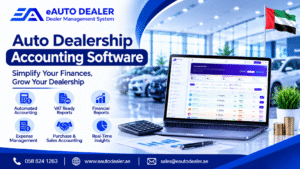
What Is Auto Dealership Accounting Software?
Auto dealership accounting software is a financial management solution designed to support the accounting requirements of automotive businesses. It helps dealerships record income and expenses, manage customer and supplier accounts, prepare invoices, track payments, and review financial performance.
Unlike general accounting applications, dealership-focused solutions can connect financial records with vehicle purchases, inventory, and sales transactions. This makes it easier for finance teams to understand the financial details behind individual vehicles and overall business activities.
Depending on the platform, common accounting functions include:
- Sales and purchase invoice management.
- Customer and supplier account records.
- Expense and payment tracking.
- Vehicle acquisition cost management.
- VAT-related accounting records.
- Accounts receivable and payable.
- Financial statements and management reports.
Why Do Car Dealerships Need Specialized Accounting Software?
Automotive dealerships handle financial transactions that are closely connected with vehicle inventory and sales. A vehicle may involve a supplier payment, transportation expenses, inspection charges, repairs, and other costs before it is sold.
When these transactions are recorded separately, it can become difficult to understand the complete financial position of the business. Specialized accounting software helps organize these activities and improve visibility across financial operations.
1. Keep Vehicle Purchase and Expense Records Organized
Vehicle acquisition is one of the largest financial activities in many dealerships. Dealers need to record the amount paid to suppliers and any additional costs associated with purchasing or importing vehicles.
A suitable accounting system helps organize purchase transactions and related expenses. When these records are connected with vehicle inventory, management can review the costs associated with each unit more easily.
2. Manage Customer Payments and Outstanding Balances
Dealerships may receive payments through cash, bank transfers, deposits, or other payment arrangements. Maintaining accurate records is important for tracking completed transactions and outstanding customer balances.
Accounting software helps finance teams record receipts, monitor pending amounts, and review customer account histories. This makes it easier to identify overdue payments and maintain organized financial records.
3. Control Supplier Payments
Dealers regularly work with vehicle suppliers, transport companies, service providers, and other business partners. Managing these payments manually can make it difficult to track due dates and outstanding balances.
With supplier account management, employees can review purchase invoices, record payments, and monitor amounts payable. This supports better payment planning and financial coordination.
4. Understand Dealership Expenses
Operating a showroom involves several expenses, including rent, employee salaries, utilities, advertising, maintenance, and vehicle preparation.
Expense management features help categorize these costs and maintain transaction histories. Dealership owners can use this information to review spending patterns and identify areas where expenses may need closer attention.
Essential Features of Auto Dealership Accounting Software
The right accounting platform should support the financial activities of an automotive business rather than simply record basic income and expenses.
Vehicle Cost and Landed Cost Tracking
Vehicle costs can include the purchase amount and additional expenses incurred during transportation, importation, inspection, and preparation.
A suitable system should help dealerships record these expenses and associate them with the relevant vehicle. For imported stock, landed-cost management is particularly useful because it provides a broader view of the investment made before a vehicle reaches the showroom.
Sales and Purchase Invoicing
Dealerships create invoices for vehicle sales, purchases, and other business transactions. Accounting software should help employees prepare and maintain these records while keeping customer and supplier details organized.
Connected invoicing also reduces the need to enter the same transaction information repeatedly across different systems.
VAT Accounting and Tax Records
For dealerships operating in the UAE, maintaining appropriate VAT-related records is an important part of financial management.
Accounting software should help organize relevant sales and purchase information, record applicable VAT amounts, and generate reports that support the business’s accounting processes. Dealers should confirm that the software supports their specific requirements and current tax obligations.
Accounts Receivable and Accounts Payable
Accounts receivable helps businesses monitor money owed by customers, while accounts payable helps track outstanding payments to suppliers and service providers.
These functions give finance teams a clearer view of incoming and outgoing payments. They can also support cash flow planning and help reduce delays in payment follow-ups.
Financial Reports and Dashboards
Reports help dealership owners understand how their business is performing. Useful financial reports may include:
- Profit and loss statements.
- Balance sheets.
- Cash flow reports.
- Customer outstanding balances.
- Supplier payment summaries.
- Sales and purchase reports.
- Expense summaries.
Dashboards can make important financial information easier to review, helping managers identify trends and make informed business decisions.
How Integrated Accounting Improves Dealership Financial Control
Accounting becomes more effective when it is connected with other dealership departments. If sales, inventory, purchasing, and finance teams use separate applications, employees may need to enter the same information several times.
An integrated Dealer Management System (DMS) connects these business activities and provides a more consistent flow of information.
For example, when a dealership purchases a vehicle, the transaction can be connected with purchasing and inventory records. Related expenses can then be associated with the vehicle. When the vehicle is sold, the sales transaction can connect with invoicing and payment records.
This integration can help businesses:
- Reduce duplicate data entry.
- Maintain consistent transaction records.
- Improve coordination between departments.
- Review vehicle-related costs more easily.
- Access updated financial information.
- Prepare reports using organized business data.
Common Accounting Challenges Faced by Auto Dealerships
Even established dealerships can experience financial management problems when their accounting processes rely heavily on manual work.
Some common challenges include:
- Unrecorded vehicle expenses: Additional acquisition costs are not properly linked to the relevant vehicle.
- Payment tracking difficulties: Customer receipts and supplier payments are not updated consistently.
- Disconnected records: Sales and accounting departments maintain different transaction information.
- Limited cash flow visibility: Managers cannot easily review upcoming payments and outstanding balances.
- Manual report preparation: Employees spend time collecting information from different spreadsheets.
- Inconsistent financial data: Duplicate entries or missing information affect reporting accuracy.
Using connected accounting software and establishing clear financial procedures can help dealerships reduce these issues.
Choosing Auto Dealership Accounting Software in the UAE
Car dealerships in the UAE may manage local vehicle purchases, international imports, multiple showrooms, VAT-related records, and transactions with different suppliers. Their accounting software should support these requirements while providing room for future business growth.
Before selecting a platform, dealership owners should evaluate the following factors:
1. Automotive Accounting Capabilities
Check whether the software supports vehicle purchases, sales invoices, supplier payments, customer accounts, and vehicle-related expense tracking.
2. UAE VAT Requirements
Review the system’s VAT-related functions and confirm that they support the dealership’s accounting procedures and applicable tax requirements.
3. Multi-Branch Financial Management
Businesses with multiple locations may need branch-level transaction records, access permissions, and consolidated financial reporting.
4. Integration with Inventory and Sales
Accounting should connect with vehicle inventory and sales activities to reduce repeated work and improve financial visibility.
5. Reporting and Business Insights
Look for reports that help owners review expenses, outstanding payments, profitability, and overall financial performance.
6. Scalability and Access Control
The system should support the dealership as it adds employees, vehicles, and branches. Role-based access can also help ensure that employees only access the financial functions relevant to their responsibilities.
For businesses looking to manage financial activities alongside wider dealership operations, eAuto Dealer offers the Auto Dealer Management System. Its integrated platform connects accounting with sales, CRM, inventory, purchasing, and garage management, helping UAE dealerships coordinate financial and operational workflows through one centralized system.
Final Thoughts
Financial control is essential for running an organized and sustainable car dealership. From tracking vehicle acquisition costs and managing supplier payments to maintaining VAT-related records and reviewing financial reports, the right accounting solution can make daily financial activities easier to manage. An integrated platform also helps connect accounting with inventory, purchasing, and sales, reducing disconnected processes across departments. Dealerships should choose software that fits their current financial requirements while supporting future expansion.
Frequently Asked Questions
1. What is auto dealership accounting software?
It is a financial management solution designed for automotive businesses. It helps manage vehicle purchases, sales invoices, customer payments, supplier accounts, expenses, and financial reports.
2. Can dealership accounting software track the total cost of a vehicle?
Many dealership accounting systems allow businesses to record the purchase price and additional expenses, such as transportation, inspection, shipping, and preparation costs. These records help dealers understand the total investment associated with each vehicle.
3. Does auto dealership accounting software support VAT in the UAE?
Some platforms provide VAT-related accounting features to help businesses organize sales and purchase records, record applicable VAT amounts, and prepare supporting reports. Dealerships should verify that the software meets their specific requirements and current regulations.
4. Can accounting software manage multiple car dealership branches?
Yes. Some integrated dealership platforms support branch-level financial records, user permissions, and consolidated reporting, helping businesses manage accounting activities across multiple locations.
5. What is the difference between general accounting software and dealership accounting software?
General accounting software focuses on standard financial transactions, such as income, expenses, invoices, and payments. Dealership accounting software may also connect financial records with vehicle purchases, inventory, sales, and other automotive workflows.