
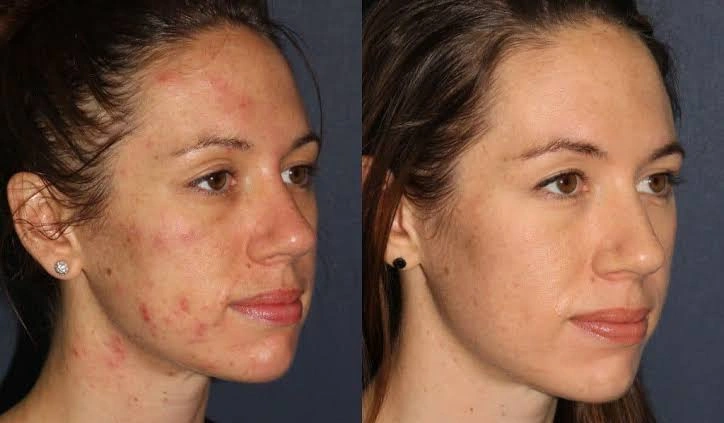
How Effective Is Photodynamic Therapy for Actinic Keratosis?
Photodynamic therapy is an established treatment option for actinic keratosis, a common skin condition caused by long-term ultraviolet exposure. Photodynamic Therapy Actinic Keratosis treatment combines a light-sensitive medication with a specific light source to target abnormal skin cells while helping preserve surrounding healthy tissue.
For people with rough, scaly patches on sun-exposed areas, this approach can offer effective treatment with cosmetic benefits. However, results depend on the severity of the lesions, the treatment method, the affected body area, and individual skin characteristics.
This guide explains how photodynamic therapy works, its effectiveness, what patients can expect during recovery, possible side effects, and how it compares with other treatment options.
What Is Actinic Keratosis?
Actinic keratosis (AK) is a precancerous skin lesion that develops after years of ultraviolet radiation exposure. It commonly appears on the face, scalp, ears, neck, forearms, and backs of the hands.
Lesions may feel rough or sandpaper-like, even when they are difficult to see. Their colour can range from pink and red to brown or skin-toned. Some become thicker, crusted, tender, or irritated.
Actinic keratosis matters because some lesions can progress to squamous cell carcinoma, a type of skin cancer. It is not possible to predict reliably which individual lesion will progress, so suspicious changes require professional assessment.
Common risk factors include:
- Frequent exposure to sunlight or tanning beds.
- Fair skin that burns easily.
- Increasing age and cumulative sun damage.
- A history of actinic keratosis or skin cancer.
- Reduced immune function.
Early assessment helps patients receive appropriate treatment and establish a plan for ongoing skin monitoring.
What Is Photodynamic Therapy?
Photodynamic therapy (PDT) is a medical procedure that uses a photosensitising medication and a controlled light source to destroy targeted abnormal cells.
For actinic keratosis, a dermatologist usually applies a medication containing aminolevulinic acid (ALA) or methyl aminolevulinate (MAL) to the affected skin. The medication is absorbed by abnormal cells and converted into a light-sensitive substance called protoporphyrin IX.
After an appropriate incubation period, the clinician exposes the treated area to a specific wavelength of light. This activates the photosensitiser, producing reactive oxygen species that damage targeted cells.
The damaged cells are gradually cleared as the skin heals.
Why Is Light Important?
The medication alone does not produce the complete therapeutic effect. Light activates the photosensitiser, allowing the treatment to target abnormal tissue.
The choice of medication, incubation period, light source, and treatment intensity depends on the clinical protocol. Some treatments use red light, while others use blue light or daylight under carefully selected conditions.
Photodynamic therapy is performed under medical supervision because correct preparation, light exposure, and aftercare influence both effectiveness and safety.
How Effective Is Photodynamic Therapy for Actinic Keratosis?
Photodynamic therapy can be highly effective for suitable patients, particularly those with multiple thin or moderately thick lesions across sun-damaged areas. It can treat visible lesions and, depending on the treatment protocol, areas containing early abnormal changes that are not individually obvious.
The effectiveness of Photodynamic Therapy Actinic Keratosis treatment varies according to lesion thickness, treatment technique, medication, light delivery, and follow-up care. Some patients achieve complete clearance after one session, whereas others need repeat treatment or an additional therapy.
Clinical studies generally support PDT as an effective option for selected actinic keratoses, especially on the face and scalp. Nevertheless, no single clearance rate applies to every patient or protocol.
What Does Research Say About Treatment Success?
Research comparing PDT with other treatments has found that it can provide good lesion clearance and cosmetic outcomes. Results vary between studies because researchers use different medications, light sources, treatment schedules, follow-up periods, and definitions of success.
Several factors influence the outcome:
- Lesion thickness: Thin lesions generally respond more readily than thick, hyperkeratotic lesions.
- Treatment area: Facial and scalp lesions often respond well, although outcomes vary by location.
- Light delivery: Appropriate wavelength, exposure, and treatment technique are important.
- Number of sessions: Some patients need another session to achieve satisfactory clearance.
- Follow-up: Recurring or persistent lesions may require reassessment and further treatment.
A dermatologist can explain the expected outcome based on the patient’s examination and the protocol being considered.
Can One Session Clear All Lesions?
One session may be sufficient for some patients, but complete clearance is not guaranteed. Extensive sun damage, thick lesions, or incomplete responses may require further treatment.
Patients should also understand that successful treatment does not eliminate the skin damage responsible for actinic keratosis. New lesions can appear later, even when the original treatment area heals successfully.
For this reason, the success of Photodynamic Therapy Actinic Keratosis treatment should be judged through clinical examination and appropriate follow-up rather than appearance alone.
What Happens During Photodynamic Therapy?
The procedure usually takes place in a dermatology clinic. The exact steps depend on the medication, light source, and treatment protocol.
Step 1: Skin Assessment
The dermatologist examines the affected skin and identifies lesions suitable for treatment. Any lesion that appears suspicious for invasive skin cancer may require a biopsy or another diagnostic procedure before treatment.
Step 2: Skin Preparation
The clinician may gently remove surface scales or crusts to help the medication penetrate the affected tissue. Preparation is adjusted to the thickness and sensitivity of the skin.
Step 3: Application of the Photosensitiser
The medication is applied to the selected area. It remains on the skin for a prescribed period so that the light-sensitive substance can develop within the targeted cells.
Step 4: Light Exposure
The treated area is exposed to the appropriate light source. Patients may experience burning, stinging, warmth, or discomfort during illumination. The clinical team can adjust the procedure or provide comfort measures when appropriate.
Step 5: Aftercare Instructions
The clinician explains how to protect the treated skin, manage expected reactions, and recognise complications. Depending on the photosensitiser, strict protection from sunlight and bright visible light may be necessary for a specified period.
Red-Light, Blue-Light, and Daylight PDT
Different photodynamic therapy protocols use different light sources. These methods are not interchangeable in every clinical situation.
Red-light PDT penetrates tissue relatively deeply and is commonly used in established treatment protocols for actinic keratosis. It may cause considerable discomfort during illumination, although individual experiences vary.
Blue-light PDT uses a different wavelength and is used with certain photosensitising medications. Its suitability depends on the approved product, treatment area, and clinician’s protocol.
Daylight PDT uses controlled exposure to natural daylight after application of an appropriate photosensitiser. It can be less painful than conventional illumination for selected patients with suitable lesions. It requires correct medical guidance and appropriate weather and light conditions.
The best approach depends on the patient’s skin, lesion characteristics, local treatment availability, and the dermatologist’s assessment. Patients should not attempt to reproduce medical PDT at home using ordinary lamps or sunlight.
Benefits of Photodynamic Therapy
One reason clinicians consider Photodynamic Therapy Actinic Keratosis treatment is its combination of lesion clearance and generally favourable cosmetic results.
Treatment of Multiple Lesions
PDT can cover a broader area of sun-damaged skin rather than requiring a separate procedure for every visible lesion. This can be useful when several actinic keratoses appear together on the face or scalp.
Cosmetic Outcomes
After healing, treated areas often have good cosmetic results. PDT can be particularly attractive for visible areas because it usually avoids the permanent scarring that may follow some destructive procedures.
Temporary redness, pigment changes, or other skin reactions can still occur. Cosmetic outcomes depend on skin type, treatment intensity, and healing.
Treatment of a Wider Sun-Damaged Area
Some patients have numerous visible lesions alongside early changes that are difficult to identify individually. Treating an appropriate field of sun-damaged skin may help address these changes.
However, field treatment does not replace examination of suspicious lesions. Any lesion that is unusually thick, painful, bleeding, ulcerated, or rapidly growing needs medical assessment.
No Surgical Incision
PDT does not ordinarily require an incision or stitches. Most patients can return to routine activities as their skin allows, although visible redness and sensitivity may affect their plans for several days.
What Are the Side Effects?
Most treatment reactions are temporary, but the intensity differs between individuals. Understanding the expected effects helps patients prepare for recovery.
Common side effects include:
- Burning or stinging during light exposure.
- Redness and swelling.
- Tenderness or skin sensitivity.
- Crusting, scaling, or peeling.
- Temporary changes in skin pigmentation.
Some patients develop more intense inflammation or small blisters. These reactions do not automatically indicate treatment failure, but severe or unexpected symptoms should be discussed with the treating clinician.
Pain during conventional light exposure can be significant. The clinician may use cooling, breaks, airflow, or other appropriate measures to improve comfort. Patients should report substantial discomfort rather than silently enduring it.
Contact the clinic if redness or pain worsens instead of improving, or if there is spreading redness, pus, fever, or another sign of possible infection.
Recovery After Treatment
Recovery usually involves a temporary inflammatory response followed by gradual healing. The treated skin may look worse before it looks better, particularly during the first few days.
What to Expect During the First Week
During the first 24 to 48 hours, redness, warmth, tenderness, and swelling may become noticeable. Crusting and peeling can develop over the following days as the skin repairs itself.
The recovery timeline varies. Some patients improve within a week, while others need longer, especially after treatment of larger areas or more extensive lesions.
Helpful aftercare measures include:
- Follow the dermatologist’s instructions for cleansing and moisturising the area.
- Avoid picking crusts, scratching, or rubbing the treated skin.
- Use only recommended skin-care products while the area heals.
- Avoid direct sunlight and follow the specific light-avoidance instructions supplied with the medication.
- Delay irritating skincare ingredients, including retinoids and exfoliating acids, until the clinician confirms they are suitable.
Do not apply strong home remedies or unapproved preparations to recently treated skin. These may increase irritation or interfere with healing.
When Will Results Become Visible?
Early redness and crusting are treatment reactions, not reliable indicators of the final outcome. As inflammation settles, the treated area may become smoother and less scaly.
A follow-up appointment allows the dermatologist to assess whether lesions have cleared and whether further treatment is needed. Patients should not assume that every rough patch is harmless simply because PDT has already been performed.
Who Is a Good Candidate for PDT?
PDT may be appropriate for adults with multiple actinic keratoses, particularly thin lesions affecting the face or scalp. It can also suit people who prefer a field-directed treatment and want to minimise visible scarring.
However, suitability depends on a complete assessment.
A dermatologist may consider:
- The number, thickness, and location of lesions.
- Previous treatments and their results.
- The patient’s skin type and sensitivity.
- Medication allergies and relevant medical history.
- Ability to follow post-treatment light precautions.
- Whether any lesion requires biopsy or a different treatment.
PDT may be less suitable for some thick or deeply developed lesions. A clinician may recommend reducing the surface thickness first or choosing another approach. Patients with suspected invasive skin cancer generally need diagnostic evaluation rather than routine PDT alone.
PDT Compared With Other Actinic Keratosis Treatments
There is no single treatment that is best for everyone. The choice depends on the number of lesions, their appearance, the patient’s preferences, and the clinical findings.
| Treatment | Main approach | Important consideration |
| Photodynamic therapy | Light activates a photosensitising medication | Useful for suitable lesions across a treatment field |
| Cryotherapy | Liquid nitrogen freezes individual lesions | Quick treatment, but temporary pigment changes or blisters may occur |
| Topical 5-fluorouracil | A prescription cream treats abnormal cells | Causes an inflammatory reaction over a treatment course |
| Imiquimod | A prescription cream stimulates an immune response | Can cause redness, irritation, and crusting |
| Tirbanibulin | A prescription topical treatment | Used for selected areas according to prescribing guidance |
| Curettage | Abnormal tissue is scraped away | More appropriate for selected lesions and clinical situations |
The effectiveness of these options varies with treatment protocols and patient characteristics. A dermatologist can discuss the benefits, drawbacks, expected recovery, and likelihood of repeat treatment for each option.
Does PDT Work Better Than Cryotherapy?
Not in every situation. Cryotherapy is convenient for a small number of isolated lesions, whereas PDT may be preferable when numerous lesions affect a wider area.
Research comparing treatments has produced results that vary according to the lesions studied and the follow-up period. Cosmetic appearance, discomfort, convenience, recurrence, and patient preferences also matter when selecting a treatment.
Can PDT Be Combined With Other Treatments?
Yes. In selected cases, dermatologists may combine or sequence treatments to improve management of extensive or resistant actinic keratosis. For example, thick lesions may need a different initial approach before field treatment.
The plan should be individualised. Combining therapies without professional guidance can cause excessive inflammation or delay recognition of a lesion that needs further investigation.
Can Natural Skincare Prevent Actinic Keratosis?
A consistent skincare routine can support the skin barrier, reduce dryness, and help prevent additional sun damage. However, skincare products cannot reliably remove established actinic keratoses or replace medical assessment.
People researching a Natural Treatment for Actinic Keratosis should distinguish supportive skincare from treatments proven to clear abnormal cells. Gentle moisturisers, fragrance-free cleansers, and daily broad-spectrum sunscreen can help protect the skin, but suspicious lesions still require professional evaluation. Natural ingredients are not automatically safe, particularly on inflamed or recently treated skin.
What About Home Remedies?
Home remedies may sound appealing because they are convenient and inexpensive. Nevertheless, applying vinegar, essential oils, concentrated plant extracts, or abrasive preparations to suspicious lesions can cause irritation, burns, or delayed diagnosis.
Interest in Natural Remedies for Actinic Keratosis should not distract from the importance of evidence-based care. No home remedy has been established as a reliable substitute for medical treatment of actinic keratosis. If a lesion persists, changes, or becomes painful, arrange a dermatology appointment rather than experimenting with unverified preparations.
Choosing Skin-Care Products During Recovery
After PDT, keep skincare simple until the treated area has healed. A gentle cleanser and suitable moisturiser may help maintain comfort, while sunscreen becomes essential once it is appropriate to apply it to the healing skin.
When considering Herbal Care Products, review the ingredient list carefully and avoid applying products that sting, contain irritating fragrances, or have not been recommended for recently treated skin. Ask your dermatologist before introducing botanical creams, medicated oils, or concentrated extracts.
Remember that supportive skincare and medical treatment serve different purposes. Neither herbal products nor moisturisers should be presented as proven cures for actinic keratosis.
How to Prevent New Actinic Keratoses
Because ultraviolet exposure contributes to actinic keratosis, sun protection remains important even after successful treatment.
Practical preventive measures include:
- Apply broad-spectrum sunscreen with SPF 30 or higher and reapply as directed.
- Wear a wide-brimmed hat and protective clothing outdoors.
- Seek shade, particularly when sunlight is strongest.
- Avoid tanning beds and deliberate tanning.
- Examine your skin regularly for new or changing lesions.
- Attend follow-up appointments recommended by your dermatologist.
People with previous actinic keratoses may develop additional lesions because the surrounding skin has accumulated sun damage. Prevention cannot eliminate every risk, but consistent sun protection can reduce further exposure.
When Should You See a Dermatologist?
Arrange a professional assessment if you notice persistent rough patches, scaly spots, or new lesions on sun-exposed skin. Seek prompt medical advice if a lesion grows quickly, becomes unusually thick, bleeds, ulcerates, or develops persistent pain.
These changes do not automatically mean skin cancer is present, but they should not be ignored. A dermatologist can determine whether the lesion is actinic keratosis, another skin condition, or a possible skin cancer requiring biopsy.
After treatment, report symptoms that seem unusually severe or continue worsening. Do not wait for a scheduled follow-up if you are concerned about infection or an unexpected reaction.
Frequently Asked Questions
Is photodynamic therapy effective for actinic keratosis?
Yes. PDT can clear many suitable actinic keratoses, especially thin lesions on the face and scalp. Results vary, and some patients require repeat treatment or another therapy.
How many PDT sessions are needed?
Some patients need one session, while others require additional sessions. The number depends on lesion thickness, treatment protocol, response, and the extent of sun damage.
Is photodynamic therapy painful?
Conventional light exposure can cause burning, stinging, or significant discomfort. Daylight PDT may be less painful in suitable patients. The clinician can discuss comfort measures before treatment.
Can actinic keratosis return after PDT?
Yes. Treated lesions may persist or recur, and new lesions can develop because previous ultraviolet damage remains. Regular skin examinations and sun protection are important.
Does PDT leave scars?
PDT generally offers favourable cosmetic outcomes and usually does not require surgical incisions. Temporary redness, crusting, and pigment changes can occur, and scarring is possible but not typical.
Is PDT suitable for thick actinic keratosis?
Thick lesions may respond less reliably than thin ones. A dermatologist may recommend another treatment, surface preparation, or biopsy depending on the lesion’s characteristics.
Final Thoughts
Photodynamic therapy is an effective option for many people with actinic keratosis, particularly when several suitable lesions affect a wider area of sun-damaged skin. Its potential advantages include treatment of multiple lesions, favourable cosmetic outcomes, and no need for surgical incisions.
Nevertheless, treatment success depends on the patient’s condition, the selected protocol, and appropriate follow-up. Some lesions require additional treatment, and new lesions can develop later.
The most appropriate approach is to consult a qualified dermatologist, discuss available therapies, follow recovery instructions, and maintain consistent sun protection. Early assessment and continued monitoring remain essential for managing actinic keratosis and identifying suspicious skin changes promptly.