
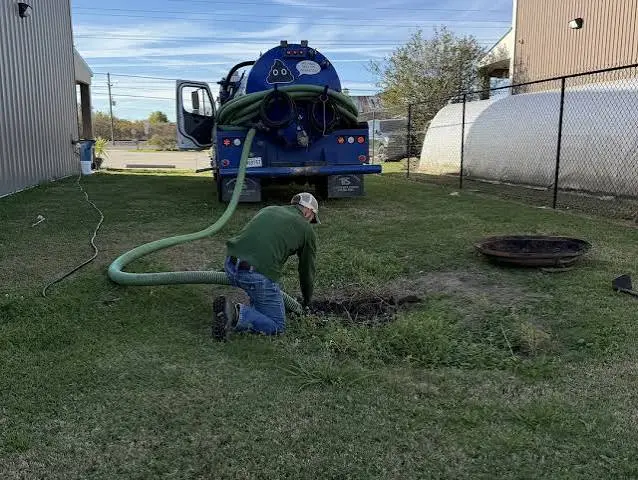
Septic Tank Pumping: Essential Maintenance for a Healthy Septic System
Maintaining a properly functioning septic system is essential for protecting your home, property, and surrounding environment. Regular Septic Tank Pumping helps remove accumulated sludge, grease, and other waste materials that can interfere with wastewater treatment. Whether you own a residential property or manage a commercial facility, routine septic maintenance can prevent costly repairs, reduce the risk of sewage backups, and extend the useful life of your system. Understanding how septic pumping works and when to schedule professional service can help you keep your wastewater system operating efficiently.
What Is Septic Tank Pumping?
Septic tank pumping is a maintenance process that removes accumulated solid waste, sludge, and floating materials from a septic tank. A typical septic system collects wastewater from household plumbing and separates it into different layers.
Heavy solids settle at the bottom of the tank, forming sludge, while oils and grease float to the surface and create a scum layer. The partially treated wastewater then flows toward the drainfield or another approved treatment component.
Over time, these waste layers accumulate and reduce the available capacity of the tank. Professional pumping removes the buildup and helps prevent solids from entering the drainfield, where they can cause blockages and system failure.
Why Is Regular Septic Tank Pumping Important?
Routine septic maintenance is important for several reasons. Neglecting pumping can lead to expensive problems that affect both your property and the surrounding environment.
1. Prevents Sewage Backups
When a septic tank becomes overloaded with solid waste, wastewater may begin backing up into sinks, toilets, and household drains. Regular pumping helps reduce this risk by maintaining sufficient tank capacity.
2. Protects the Drainfield
The drainfield is an important part of a conventional septic system. It receives wastewater from the tank and allows further treatment through soil filtration. Removing accumulated solids helps reduce the possibility of waste entering and clogging the drainfield.
3. Reduces Unpleasant Odors
An overloaded or poorly maintained septic system can produce unpleasant smells around the property. Routine inspections and pumping help identify developing issues and maintain better system conditions.
4. Helps Avoid Expensive Repairs
Replacing a damaged drainfield or repairing a failed septic system can be significantly more expensive than routine maintenance. Scheduled pumping helps identify potential concerns before they develop into major problems.
5. Protects Groundwater and the Environment
A properly maintained septic system helps prevent untreated wastewater from contaminating nearby soil, groundwater, lakes, ponds, and streams.
How Often Should a Septic Tank Be Pumped?
The recommended septic pumping schedule depends on several factors, including household size, tank capacity, water consumption, and the amount of wastewater entering the system.
Many residential septic systems require pumping every two to three years, although some properties may need more frequent service. Larger households, older systems, and homes with garbage disposals may experience faster accumulation of solid waste.
Properties with fewer occupants or lower water usage may require less frequent pumping. However, scheduling regular inspections is important because the condition of each septic system is different.
A professional technician can evaluate the tank and recommend an appropriate maintenance schedule based on its actual condition.
Warning Signs Your Septic Tank Needs Pumping
Recognizing early warning signs can help homeowners avoid unexpected septic system problems.
Common signs include:
- Slow-draining sinks, showers, and bathtubs.
- Toilets that flush slowly or make unusual noises.
- Unpleasant odors around the septic tank or drainfield.
- Wet or unusually green areas above the drainfield.
- Frequent plumbing backups throughout the property.
- A long period since the last professional inspection or pumping.
These symptoms may indicate a full tank, blockage, or another system problem. If you notice sewage backing up or wastewater surfacing, contact a qualified septic professional promptly.
What Happens During Professional Septic Tank Pumping?
Professional septic pumping involves several steps to remove waste safely and evaluate the system’s condition.
First, technicians locate and access the septic tank. They then use specialized vacuum pumping equipment to remove accumulated sludge and floating waste.
During the service, technicians may inspect accessible tank components, including inlet and outlet baffles, filters, and other important parts. They can also identify visible concerns that may require additional maintenance or repair.
After pumping, the collected waste must be transported and handled at an appropriate wastewater treatment facility in accordance with applicable requirements.
Professional service helps ensure that the work is performed safely and that potential septic system issues are identified early.
Choosing a Reliable Septic Tank Pumping Company
Selecting an experienced septic service provider is important for maintaining your wastewater system. Before scheduling service, consider the company’s experience, equipment, service range, and understanding of local requirements.
Look for trained technicians who can explain the condition of your system and provide practical maintenance recommendations. A dependable provider should also offer clear communication and additional services when repairs or inspections are needed.
Working with an established septic company can make routine maintenance easier and help protect your long-term property investment.
Septic Tank Pumping Services by Tim Frank Septic
Homeowners and commercial property owners throughout Northeast Ohio can explore septic services from Tim Frank Septic Tank Cleaning Co.
Family owned and operated since 1966, the company provides residential and commercial septic services in Geauga County and parts of Lake, Trumbull, and Ashtabula Counties.
Its septic tank pumping services include residential septic system pumping, commercial trash trap pumping, and aerated waste pumping. The company also provides lift station pumping, high-pressure sewer jetting, electric sewer cleaning, video camera inspections, septic system repairs, and maintenance services.
Tim Frank Septic uses specialized pumping equipment and trained technicians to help customers maintain their wastewater systems. The company also emphasizes environmentally responsible wastewater management, transporting collected wastewater to a treatment facility for appropriate processing.
Whether you need routine residential septic maintenance or commercial pumping support, Tim Frank Septic offers a range of services for different wastewater management needs.
Property owners can learn more about available services, service areas, and scheduling by visiting the official Tim Frank Septic website.
Frequently Asked Questions About Septic Tank Pumping
How often should a residential septic tank be pumped?
Many residential septic tanks require pumping every two to three years. However, the correct schedule depends on tank size, household occupancy, water usage, and sludge accumulation.
What happens if a septic tank is never pumped?
Without regular pumping, accumulated solids can enter the drainfield, causing blockages, sewage backups, unpleasant odors, and potentially expensive system failures.
How do I know when my septic tank is full?
Slow drains, plumbing backups, foul odors, and unusually wet areas near the drainfield can indicate a septic problem. A professional inspection can determine whether pumping is needed.
Does commercial property need septic pumping?
Yes. Commercial wastewater systems, trash traps, and lift stations may require scheduled pumping and maintenance depending on their design and usage.
Where can I find septic tank pumping services in Northeast Ohio?
Tim Frank Septic Tank Cleaning Co. provides residential and commercial septic pumping and related wastewater services across Geauga County and parts of Lake, Trumbull, and Ashtabula Counties.
Final Thoughts
Septic tank pumping is an essential part of responsible property maintenance. Regular waste removal helps protect drainfields, prevent plumbing backups, reduce unpleasant odors, and support effective wastewater treatment.
By understanding your system’s maintenance requirements and working with experienced septic professionals, you can reduce the risk of unexpected failures and protect your property for years to come. For residential and commercial septic services in Northeast Ohio, Tim Frank Septic provides experienced support for a wide range of wastewater management needs.