
Exploring the Rise of Low-Cost Private Jet Flights: A New Era in Air Travel
In recent years, the aviation industry has witnessed a seismic shift in how individuals and businesses approach air travel. The emergence of low-cost private jet flights has opened the skies to a broader demographic, making private aviation more accessible than ever before. This article delves into the phenomenon of low-cost private jet flights, examining the factors contributing to their rise, the implications for travelers, and the evolving landscape of private aviation.
Historically, private jet travel was synonymous with luxury and exclusivity, reserved for the wealthiest individuals and corporations. If you enjoyed this post and you would such as to get more information regarding world class jets kindly go to the internet site. The high costs associated with chartering a private jet—often exceeding tens of thousands of dollars for a single trip—limited access to a select few. However, the advent of low-cost private jet services has disrupted this paradigm, democratizing air travel in ways previously thought impossible.
One of the primary catalysts for this transformation has been the introduction of innovative business models by various aviation companies. Traditional charter services typically operate on a demand basis, where customers pay for the entire aircraft, regardless of the number of passengers. In contrast, low-cost private jet providers have adopted a shared charter model, allowing multiple passengers to book seats on the same flight. This approach significantly reduces the cost per seat, making private jet travel a viable option for a wider audience.

Additionally, technological advancements have played a crucial role in the rise of low-cost private jet flights. Online platforms and mobile applications have streamlined the booking process, enabling travelers to compare prices, check availability, and book flights with ease. Companies like JetSuiteX and Blade have capitalized on these advancements, offering user-friendly interfaces that cater to the modern traveler’s preferences. The convenience of booking a private jet via a smartphone app has contributed to the growing popularity of this mode of transportation.
The changing demographics of travelers also contribute to the increasing demand for low-cost private jet flights. Millennials and Gen Z, who prioritize experiences over material possessions, are seeking more flexible and convenient travel options. The allure of avoiding long security lines, crowded terminals, and the unpredictability of commercial flights resonates with a generation that values efficiency and comfort. As these younger travelers accumulate wealth and seek to maximize their travel experiences, the market for affordable private jet options is likely to expand further.
Moreover, the COVID-19 pandemic has accelerated the shift towards private aviation. As health and safety concerns prompted travelers to avoid crowded commercial flights, many turned to private jets as a safer alternative. The perception of private jets as a more hygienic option, combined with the increased flexibility they offer, has led to a surge in demand. Low-cost private jet services have capitalized on this trend, positioning themselves as a solution for those hesitant to return to commercial air travel.
While the benefits of low-cost private jet flights are evident, they are not without challenges. The aviation industry is grappling with regulatory hurdles and environmental concerns. The increase in private jet travel raises questions about carbon emissions and the environmental impact of aviation. As more travelers opt for private flights, the industry must address these concerns through sustainable practices and innovations. Companies are exploring options such as carbon offset programs and the development of electric or hybrid aircraft to mitigate their environmental footprint.
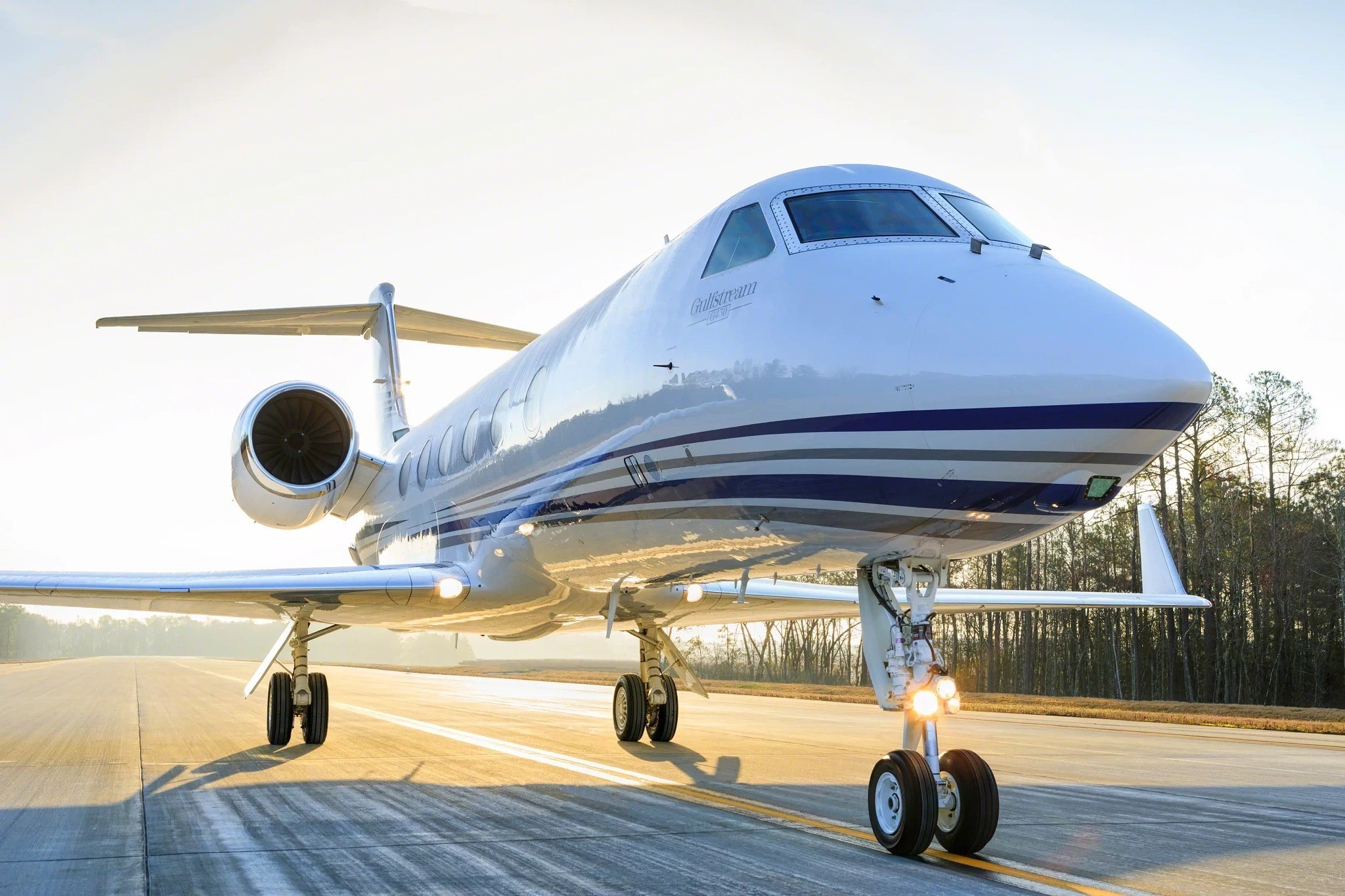
Furthermore, the rise of low-cost private jet flights has prompted traditional charter services to reevaluate their offerings. In an effort to remain competitive, established companies are introducing flexible pricing models, loyalty programs, and enhanced customer experiences. The competition between low-cost providers and traditional operators is likely to benefit consumers, as it drives innovation and improves service quality across the board.
The implications of low-cost private jet flights extend beyond individual travelers; they also impact the broader aviation ecosystem. Airports are adapting to accommodate the growing number of private jet passengers, leading to investments in infrastructure and services tailored to this demographic. Fixed-base operators (FBOs) are enhancing their offerings, providing premium services such as concierge, ground transportation, and lounge access to attract private jet travelers.
As the market for low-cost private jet flights continues to evolve, it is essential to consider the future of this burgeoning sector. Will the trend towards affordable private aviation persist, or will it plateau as the market matures? The answer may depend on several factors, including economic conditions, technological advancements, and the ongoing response to environmental challenges.
In conclusion, the rise of low-cost private jet flights represents a significant shift in the landscape of air travel. By making private aviation more accessible, these services are reshaping the way individuals and businesses approach travel. The combination of innovative business models, technological advancements, and changing traveler demographics has created a perfect storm for the growth of this sector. As the industry navigates the challenges of sustainability and competition, low-cost private jet flights are poised to redefine the future of air travel, offering a glimpse into a world where the skies are open to all.