
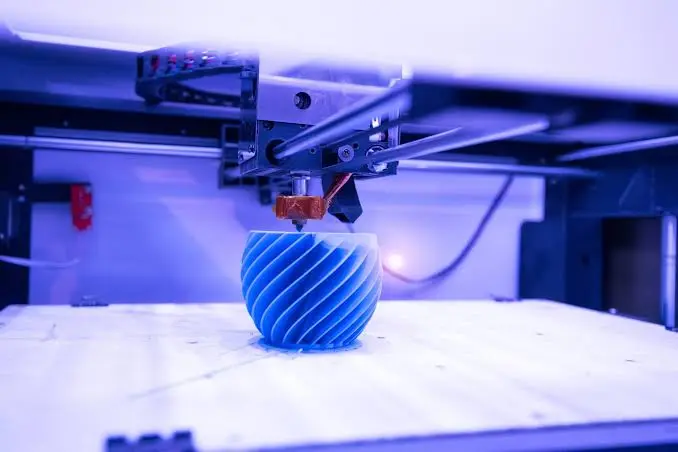
UV LED Curing System: Improving Industrial Production with Advanced Curing Technology
Modern manufacturing and printing industries require reliable technologies that deliver consistent results while supporting faster production. Traditional drying and curing methods can consume significant energy and require more maintenance. A high-performance UV LED curing system offers an advanced solution by using focused ultraviolet light to cure specially formulated inks, coatings, and other materials. With fast curing capabilities, efficient operation, and compact designs, UV LED technology helps manufacturers improve production processes and maintain consistent product quality.
What Is a UV LED Curing System?
A UV LED curing system is industrial equipment that uses ultraviolet light-emitting diodes to initiate a chemical reaction in UV-sensitive materials. This process, known as photopolymerization, transforms liquid inks, adhesives, and coatings into solid materials.
Unlike conventional drying systems that rely on heat or solvent evaporation, UV LED curing activates photoinitiators within specially formulated materials. This reaction allows the material to harden quickly, often while moving through a production line.
UV LED curing technology is widely used in printing, packaging, electronics, automotive manufacturing, plastics, and other industrial applications. It is especially useful when production facilities need rapid processing and controlled curing performance.
How Does UV LED Curing Technology Work?
The curing process begins when a UV LED module emits ultraviolet light at a specific wavelength. The material being cured contains photoinitiators that absorb this energy and trigger a chemical reaction.
The process generally involves four stages:
- UV Light Exposure: The LED module directs ultraviolet light toward the surface of the material.
- Photoinitiator Activation: Special compounds absorb the UV energy and generate reactive particles.
- Polymerization: These particles initiate chemical reactions that connect molecules into a stronger polymer structure.
- Material Hardening: The liquid ink, adhesive, or coating becomes solid and ready for the next production stage.
The wavelength, light intensity, exposure time, and material formulation all influence curing performance. Manufacturers should ensure that their inks and coatings are compatible with the selected UV LED wavelength.
Benefits of Using a UV LED Curing System
Investing in modern curing equipment can help manufacturing businesses improve efficiency and production consistency. UV LED technology offers several important advantages.
1. Faster Production Speeds
One of the biggest benefits of UV LED curing is its ability to harden compatible materials quickly. Traditional drying processes may require additional time for evaporation or heat treatment. UV LED systems can complete curing during a short exposure period.
This capability is valuable for printing presses and automated production lines where reducing processing time can improve overall productivity.
2. Improved Energy Efficiency
UV LED systems convert electrical energy into targeted ultraviolet output. Their focused light delivery can reduce wasted energy compared with less targeted curing technologies.
Fannon Products uses an LED reflector system designed to direct UV light toward the substrate. Its systems provide 16 W/cm² power intensity across the available module configurations.
3. Reduced Heat Exposure
UV LED curing systems generally produce less unwanted heat at the substrate than conventional broad-spectrum UV lamp technologies. This can make them useful for applications involving certain plastics, thin materials, labels, and other temperature-sensitive substrates.
Actual operating temperatures depend on the equipment, material, exposure conditions, and production environment.
4. Lower Maintenance Requirements
LED technology can offer a long operating life and reduced lamp replacement requirements compared with traditional mercury UV lamps. This may help manufacturers reduce maintenance interruptions and improve equipment availability.
Air-cooled designs also provide a practical alternative for facilities that want to avoid more complicated cooling arrangements.
5. Consistent Curing Performance
Reliable curing is important for achieving suitable adhesion, surface hardness, and product durability. Properly selected UV LED equipment can provide controlled light output and repeatable exposure conditions.
Manufacturers should evaluate curing performance using the specific ink, coating, adhesive, substrate, and production speed involved in their application.
Applications of UV LED Curing Technology
UV LED curing systems support different industrial processes where ultraviolet-reactive materials are used.
Digital and Inkjet Printing: UV LED technology helps cure specially formulated printing inks on compatible materials. Fast curing can support continuous production and efficient print handling.
Screen Printing: Screen printing operations can use UV LED systems to cure inks on products such as signs, labels, promotional materials, and specialty items.
Packaging Production: UV-curable coatings and inks are used in packaging applications where quick processing and consistent finishes are important.
Automotive Manufacturing: UV-curable materials can be used in selected automotive coating and component applications. The correct equipment must be matched to the coating chemistry and manufacturing requirements.
Plastics and Industrial Coatings: Certain UV-compatible coatings and adhesives can be cured on plastic and other industrial substrates, supporting specialized production processes.
Electronics Manufacturing: UV-curable adhesives, protective coatings, and other materials are used in selected electronics applications where controlled curing is necessary.
Choosing the Right UV LED Curing Equipment
Selecting the correct curing system requires more than comparing equipment prices or power ratings. Manufacturers should consider the technical requirements of their production process.
Wavelength Compatibility
The UV wavelength must match the photoinitiator chemistry in the ink, adhesive, or coating. Fannon Products offers UV LED curing modules operating at 395–405 nm.
Before purchasing equipment, businesses should confirm compatibility with their material suppliers.
Curing Width
The emitting window should match the width of the material or production area requiring exposure. A module that is too narrow may leave some areas untreated, while an unnecessarily large module may increase equipment costs.
Power Intensity
Power intensity affects how much UV energy reaches the material. Fannon’s systems provide 16 W/cm² power intensity, with three module sizes designed for different production requirements.
Cooling and Integration
Equipment cooling requirements and production-line compatibility should also be evaluated. Air-cooled modules can simplify installation, while transport interlocks can help coordinate curing equipment with production machinery.
Production Speed
The curing system must deliver an appropriate UV dose at the intended line speed. Testing with actual production materials helps determine whether the selected configuration provides reliable results.
Fannon Products: UV LED Curing Solutions for Industrial Applications
Fannon Products manufactures industrial infrared lamps, inkjet drying equipment, custom heating systems, and UV LED curing solutions. Based in Algonac, Michigan, the company has been manufacturing industrial heating products since 1957.
Its UV LED curing systems are designed for efficient operation and focused ultraviolet light delivery. The product range includes three air-cooled module configurations:
- 3-inch module: Model FP-120-80×40-395, operating at 120 V with 540 W output.
- 6-inch module: Model FP-120-160×40-395, operating at 120 V with 1080 W output.
- 9-inch module: Model FP-220-240×40-395, operating at 220–230 V with 1620 W output.
All three configurations operate at 395–405 nm and provide 16 W/cm² power intensity. They also include transport interlock options using 24 VDC or dry contact.
These configurations give manufacturers options for different curing widths and production requirements. Businesses can share details about their substrate, line speed, and required curing width with Fannon Products to help identify an appropriate system.
Why Modern Curing Technology Matters
Manufacturers face growing pressure to improve productivity, maintain quality, and manage operating costs. Choosing suitable curing equipment can contribute to these goals by improving processing speed and reducing unnecessary energy use.
UV LED technology provides an alternative to conventional UV curing equipment for applications using compatible materials. Its focused light output, air-cooled modules, and compact configurations make it a useful option for modern printing and industrial production environments.
Working with an experienced equipment manufacturer also helps businesses evaluate technical requirements before investing in a new system.
Frequently Asked Questions
1. What is a UV LED curing system used for?
A UV LED curing system is used to harden UV-sensitive inks, adhesives, and coatings through exposure to ultraviolet light. Common applications include printing, packaging, plastics, electronics, and selected automotive manufacturing processes.
2. How quickly does UV LED curing work?
Curing can happen in fractions of a second in suitable production applications. The actual time depends on the material formulation, wavelength, UV intensity, exposure distance, and production speed.
3. What wavelength do Fannon UV LED curing systems use?
Fannon Products’ UV LED curing systems operate within the 395–405 nm wavelength range and deliver 16 W/cm² power intensity.
4. Are UV LED curing systems energy efficient?
UV LED systems can offer improved energy efficiency through targeted light output and reduced unnecessary heat generation. Actual energy savings depend on the application, equipment configuration, and comparison system.
5. How do I select the right UV LED curing module?
Consider the material’s wavelength compatibility, curing width, required UV intensity, production speed, electrical requirements, and equipment integration. Testing with actual production materials is recommended before final selection.
Conclusion
A UV LED curing system can help manufacturers improve production efficiency, achieve rapid curing, and maintain consistent results when working with compatible materials. Its focused ultraviolet output, compact design, and air-cooled operation make it an attractive technology for printing and industrial applications. Selecting the right module requires careful attention to wavelength, power intensity, curing width, and production requirements. Fannon Products offers several UV LED curing configurations designed to support different industrial processes and manufacturing needs.