
Office Table Options for Modern and Organized Workspaces
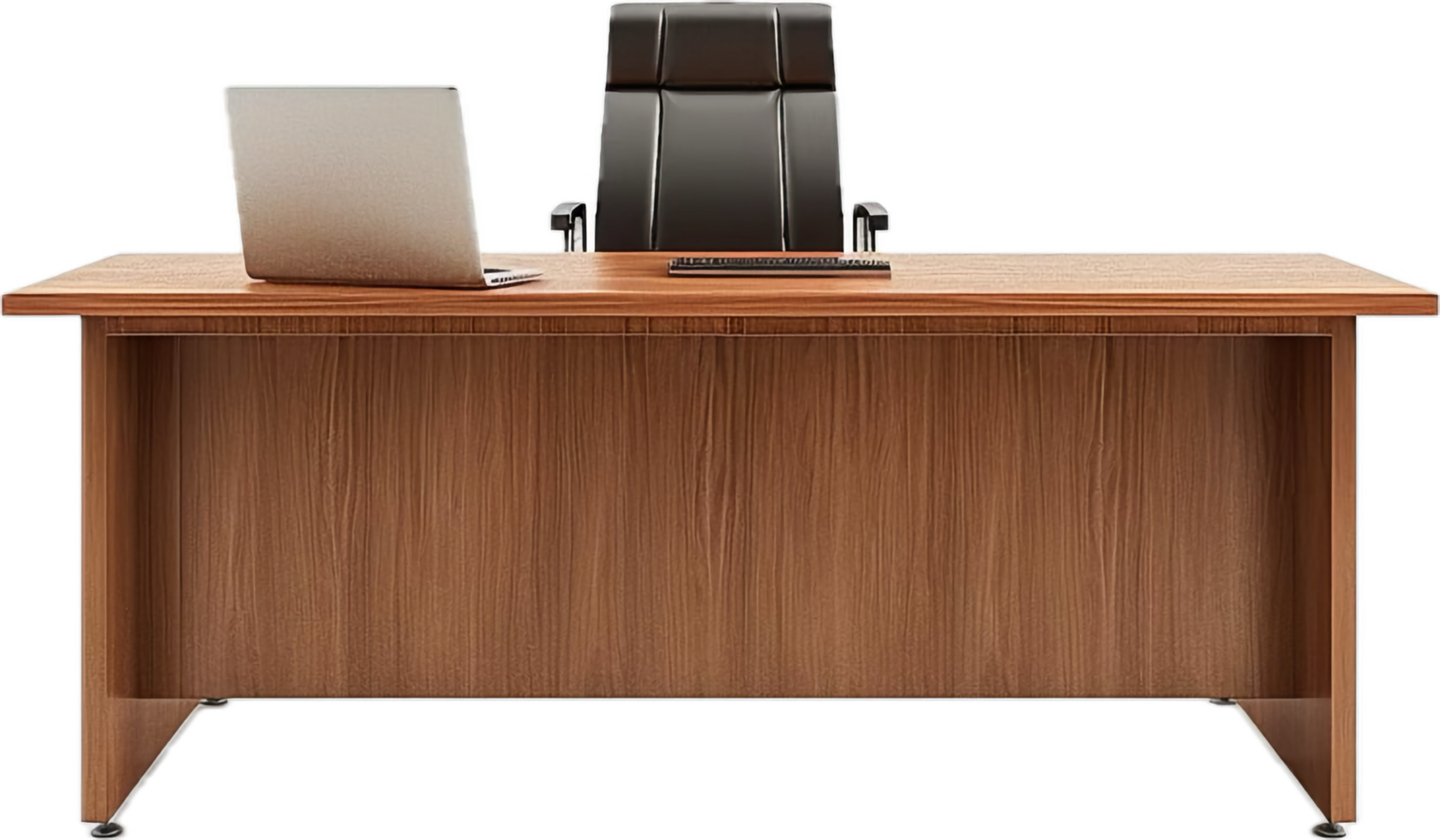
A carefully selected Office table can influence the comfort, organization, and overall efficiency of a workplace. Employees depend on their desks for computer work, writing, meetings, document handling, and many other daily responsibilities. Because of this, office furniture should be selected according to practical needs rather than appearance alone. Size, shape, construction, storage, cable management, ergonomics, and room layout all deserve attention before making a final decision.
Identify the Main Function First
The first step in choosing office furniture is to determine what activities will take place at the workstation. A person who works with a laptop throughout the day may need a compact setup, while someone using several monitors, files, and office equipment will require a much larger surface. An executive may need space for meetings and paperwork, whereas a customer-service employee may need a simpler workstation.
Understanding these differences helps businesses avoid buying identical furniture for every area. Different departments can have different requirements, and the furniture should support those specific workflows. A practical workstation gives employees enough room to complete their tasks without unnecessary clutter.
Room usage should also be considered. A desk placed in a private office may have different dimensions from one used in a shared workspace. Taking measurements and identifying the purpose of each area can make furniture planning much more effective.
Select a Shape That Supports the Workflow
The shape of a desk affects how employees use their available space. Rectangular designs remain popular because they can fit against walls, inside cubicles, or alongside other workstations. Their simple shape also makes them easy to arrange in larger offices.
L-shaped designs provide additional surface area while making efficient use of corners. They can create separate zones for computers, paperwork, and other activities. This arrangement can be useful for employees who regularly switch between different types of work.
Shared desks can work well in collaborative environments. They allow employees to remain close to colleagues while maintaining dedicated working positions. Conference-style tables are more appropriate when the main purpose is group discussion or formal meetings.
The best shape depends on the room and the work being performed. A design that works well in a spacious executive office may not be suitable for a compact employee workstation.
Consider the Available Floor Space
Office furniture should fit comfortably within the room. Before purchasing, measure the available area and identify permanent features such as doors, windows, columns, electrical sockets, and built-in cabinets.
Remember that the desk itself is not the only space requirement. Chairs need room to move backward, employees need clear walkways, and storage units need enough space for drawers or doors to open. A crowded arrangement can make even a large office feel uncomfortable.
In smaller rooms, compact furniture can preserve valuable floor space. Corner desks, modular workstations, and mobile storage can help businesses create useful work areas without blocking circulation.
Choose Materials for Long-Term Use
The material used for office furniture influences durability, appearance, and maintenance. Laminate and engineered wood surfaces are practical choices for many workplaces because they are available in a broad range of finishes and can suit different interior styles.
Wood surfaces can create a warm and professional atmosphere, while metal frames can provide strength and stability. Some furniture combines multiple materials to achieve a balance between durability and contemporary appearance.
When comparing materials, think about how frequently the furniture will be used. A workstation used every day by employees may require a robust surface that can handle regular cleaning and normal wear. Furniture in a private meeting room may experience less intensive use.
The finish should also complement the rest of the office. A consistent selection of materials can make different work areas feel connected.
Give Ergonomics Proper Attention
A desk should support comfortable working habits. Employees may spend several hours at their workstations, so poor furniture selection can make daily activities less convenient.
The height of the desk should work well with the office chair. There should be adequate legroom underneath the surface, and employees should be able to position their keyboards, monitors, and other equipment naturally.
A spacious working surface also allows users to avoid stacking equipment and paperwork in inconvenient positions. Frequently used items should remain within easy reach, while monitors should be placed at a comfortable viewing position.
Adjustable-height furniture offers additional flexibility. It can allow users to alternate between sitting and standing and may be useful for shared workstations where different employees use the same desk.
Plan for Computers and Office Equipment
Technology is now an essential part of most workplaces. Computers, monitors, chargers, telephones, printers, and other devices require both surface area and reliable power access.
A well-planned workstation should include suitable cable management. Cable ports and routing channels can keep wires away from the main working area and make the desk easier to clean.
Consider the number of devices before selecting furniture. Someone using two monitors and a desktop computer may need considerably more space than an employee working with one laptop.
Power outlets should also be considered when planning the room. Positioning desks near suitable connections can reduce cable lengths and prevent unnecessary extension cords.
Use Storage to Keep Work Areas Organized
Storage can play an important role in maintaining an orderly office. Employees often need quick access to stationery, documents, files, and personal belongings. Drawers and pedestals can keep these items close without taking up the main working surface.
Mobile pedestals provide flexibility because they can be moved when the office layout changes. Filing cabinets can support document-heavy departments, while shelves and cabinets can make use of vertical space.
However, storage should be based on actual requirements. Adding too many cabinets can consume valuable floor area and make a room feel congested. A combination of digital document management and carefully selected physical storage can provide a more balanced setup.
Design Executive Offices Carefully
Executive spaces often require a more substantial furniture arrangement. A larger desk can provide room for technology, documents, writing materials, and face-to-face discussions with visitors.
The furniture should still match the proportions of the room. An oversized desk may look impressive but can restrict movement in a smaller office. Supporting pieces such as visitor chairs, storage cabinets, and side tables should be positioned carefully.
The finish can influence the character of the room. Natural wood-inspired designs can provide a traditional feel, while clean contemporary finishes can create a modern business environment.
Build Practical Meeting Areas
Meeting rooms have different furniture requirements because several people need to use the same surface. Participants should have enough space for laptops, notebooks, documents, and other meeting materials.
Rectangular tables can work well for formal conference rooms. Round and oval configurations can encourage direct interaction and provide a more open seating arrangement.
Technology should be considered as part of the design. Modern meeting rooms may require charging points, presentation connections, video conferencing equipment, and display screens. Cable management can keep these connections organized.
The number of expected participants should determine the size of the meeting table. Choosing a table that is too small can make meetings uncomfortable, while an excessively large table may waste space.
Make Small Workspaces More Efficient
Small offices benefit from furniture that provides functionality without taking over the room. Compact desks can preserve walking space, while corner configurations can make use of areas that might otherwise remain empty.
Vertical storage is another useful solution. Wall-mounted shelves and tall cabinets can increase storage capacity without requiring large amounts of floor space.
Furniture with clean lines can also make a small room feel less crowded. The objective should be to create a workspace where employees have sufficient room to work while maintaining clear pathways.
Create a Consistent Interior Style
A workplace often feels more professional when its furniture has a coordinated appearance. Desks, chairs, storage cabinets, reception furniture, and meeting tables do not have to be identical, but their materials and finishes should work together.
Neutral finishes can provide versatility, while wood textures can add warmth. Contemporary offices may combine different materials to introduce visual variety while maintaining a cohesive design.
Furniture should also reflect the character of the organization. A formal office may prefer a traditional arrangement, while a creative business may benefit from flexible furniture and collaborative spaces.
Think Beyond the Initial Purchase
Office furniture is a long-term investment, so businesses should consider how their needs may change. Employee numbers can increase, departments can move, and offices can be redesigned.
Modular furniture can provide greater adaptability because components can often be rearranged or expanded. Before making a large purchase, businesses should check whether additional matching units can be sourced in the future.
A floor plan can help identify potential problems before furniture is ordered. Mark desks, chairs, storage, walkways, meeting areas, and equipment to see how everything will fit together.
Maintain Furniture Regularly
Proper care can help office furniture retain its appearance and functionality. Surfaces should be cleaned regularly using appropriate cleaning products. Spills should be dealt with promptly, especially on materials that can absorb moisture or stain.
Avoid overloading drawers and storage compartments. Heavy equipment should only be placed on furniture designed to support its weight. Loose fittings and damaged components should also be repaired as soon as possible.
Routine maintenance is simple but can help extend the useful life of office furniture and maintain a professional workplace appearance.
Create a Workspace Built Around People
Good office furniture should make everyday work easier. The right combination of size, shape, materials, storage, technology support, and ergonomic features can create a workspace that employees can use comfortably and efficiently.
Businesses exploring Modern office table designs should consider their room dimensions, work processes, employee requirements, and future expansion plans before choosing furniture. A thoughtfully selected Office table can provide a dependable foundation for daily tasks while helping the workplace remain organized and professional.