
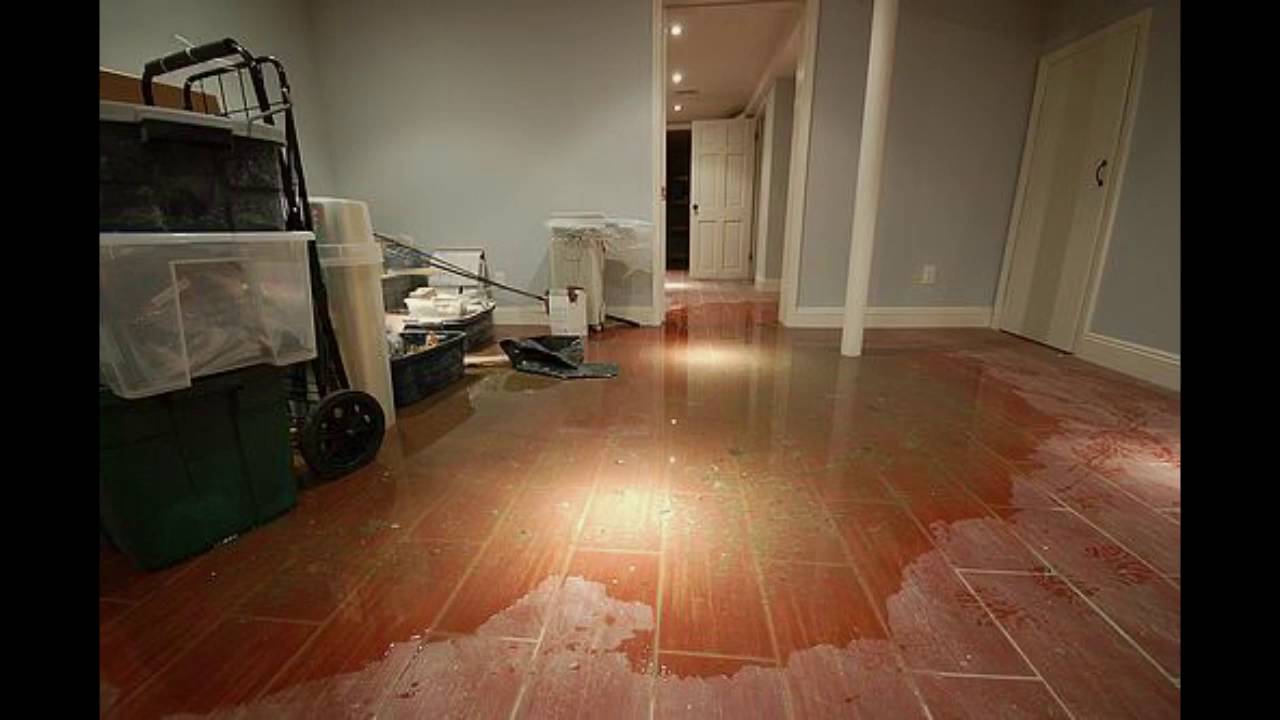
What To Do After Water Damage In Your Home?
Nobody plans for a burst pipe at 2am, or a washing machine hose that finally gives out after five years of nobody checking on it. It just happens, you wake up, or you walk into the kitchen, and there’s water everywhere before you’ve even had coffee. The next hour or two ends up mattering way more than most people expect going in. A weekend of mopping and fans versus mold showing up behind the drywall next spring, that’s really the gap we’re talking about, and a lot of it comes down to what you do right away.
Here’s what actually needs to happen, in roughly the order it needs to happen.
Find the source and shut it off.
If this is a plumbing problem, burst pipe, failed water heater, toilet that won’t stop running, go find your main water shutoff valve. It’s usually near the water meter or wherever the main line comes into the house. If you’ve never located it before, now’s the time, and honestly, it’s worth finding it before you ever need it.
Storm damage is trickier since you can’t exactly turn off the rain. Towels, buckets, a tarp if you can safely get to the leak, that’s about all you can do until it stops. Don’t go climbing on a roof in bad weather, no matter how bad the leak looks from inside.
Kill the power to anything wet.
Water and electrical outlets don’t mix. If water’s gotten near outlets, fixtures, or your breaker panel, shut off power to that section of the house, assuming you can reach the panel without walking through standing water. If the panel itself looks wet, or you’re not sure, just call an electrician. It’s not worth guessing on this one.
Take pictures before you touch anything.
This is the step everyone wants to skip because they just want to start cleaning, and it’s also the one people regret skipping most. Photograph the source, the damaged rooms, ruined furniture or belongings, water lines on the walls, all of it. Video too if you can. Insurance adjusters lean heavily on this stuff, and trying to reconstruct the damage from memory after you’ve already ripped out soggy carpet is a losing game. Write down the date and time you found it and what you think caused it while it’s fresh.
Get the water out and start drying, once it’s safe to do so.
A wet/dry vac works for most household situations. If you’ve got a flooded basement, though, a mop isn’t going to cut it, you’re better off renting a sump pump or calling someone who has one. Mold doesn’t wait around; it can take hold in a warm, damp room within a day or two, so the sooner you’ve got air actually moving through that space, the fewer problems you’ll have later. Windows open if the weather cooperates. Fans pointed at the wet spots. A dehumidifier running if you own one, and if you don’t, this is usually the point where people go buy one, because it pays for itself fast. Whatever furniture, rugs, or boxes can still be saved, get them out of the wet area before they soak up more than they already have.
Figure out what’s actually worth saving.
Carpet padding, drywall, insulation, anything porous that’s been wet more than a day or two usually needs to come out rather than dry out. It holds onto moisture and turns into a mold problem later even if it looks fine on the surface. Hardwood and non-porous stuff has better odds of surviving. If you’re not sure whether something’s salvageable, get someone who does this for a living to look at it before you decide. Guessing wrong here is expensive.
Call your insurance company sooner than later.
Most homeowners’ policies cover sudden water damage, a pipe bursting, an appliance failing, though they usually draw the line at gradual leaks or flooding from outside sources, which typically falls under separate flood insurance. Get the claim started once you’ve got your photos and documentation together, and ask specifically what your policy covers before you assume anything.
Bring in a professional, even if it doesn’t look that bad.
This is the part people skip most often, usually because the visible damage seems manageable. The problem is that a lot of water damage isn’t visible, it travels under subflooring, behind baseboards, into wall cavities, and sits there causing problems long after the surface looks dry. A shop vac and a box fan aren’t going to reach that.
Conclusion
Water mitigation companies have the equipment to actually find and dry out hidden moisture, moisture meters, industrial dehumidifiers, commercial extraction gear, and they can document the damage properly for your claim while they’re at it. That matters when mold has a two-day head start on you.
If you’re dealing with this in Central New York, Resto Pros’ Water Mitigation Services in Syracuse NY is worth calling, they specialize in exactly this kind of rapid response and can tell you within an hour or two how far the damage actually spread, not just what you can see.
None of this needs to be done perfectly. Nobody gets through a flooded basement without missing a step or two, and that’s fine. What actually decides how this turns out is whether you moved fast, took enough photos before you started cleaning, and called someone the moment it looked like more than a mop could handle.