
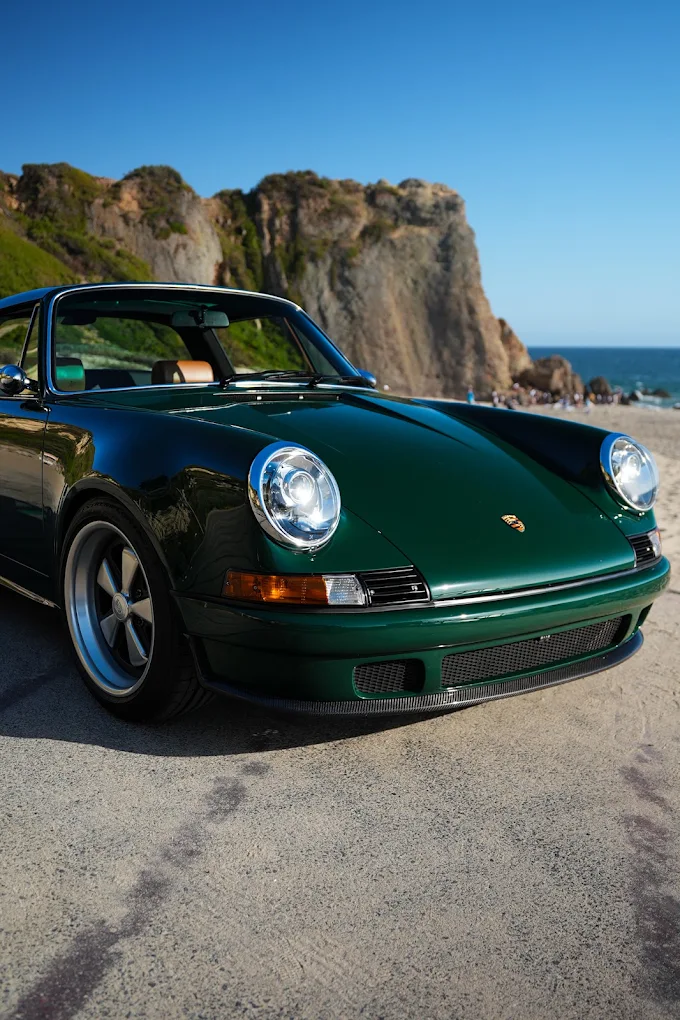
Planning Your Dream Custom Car Build
A dream build isn’t created through impulse decisions. It comes together through careful planning, realistic expectations, and attention to detail at every stage. Whether you’re envisioning a modern restomod, a show-quality classic, or a reliable weekend cruiser, taking the time to develop a solid plan will help the project move more smoothly from start to finish.
One thing I’ve noticed over the years is that many first-time builders spend hours comparing aftermarket parts but very little time defining the overall purpose of the car. That often leads to upgrades that don’t complement one another. The strongest builds are usually those where every modification supports a clear vision.
Define the Purpose of Your Build
Before thinking about engines or body kits, decide how you want to use the finished vehicle.
Ask yourself questions such as:
- Will it be driven daily?
- Is it mainly for weekend cruising?
- Will it attend car shows?
- Is performance the highest priority?
- Do you want a factory-inspired restoration with subtle upgrades?
The answers influence nearly every decision that follows, from suspension components to interior materials.
A build designed for comfortable road trips will naturally differ from one intended for occasional track use.
Choose the Right Starting Vehicle
Selecting the right project car is often more important than many enthusiasts realize.
Look beyond cosmetic appearance and carefully evaluate:
- Structural condition
- Rust
- Previous collision repairs
- Mechanical systems
- Parts availability
- Overall completeness
Sometimes a vehicle with faded paint but a solid body is a far better foundation than one that looks attractive but hides extensive corrosion.
A professional inspection before purchasing can save considerable time and frustration later.
Create a Realistic Build Plan
Breaking the project into logical stages makes planning much easier.
A typical custom build may include:
- Initial inspection
- Complete disassembly
- Metal repair
- Chassis preparation
- Suspension upgrades
- Engine and drivetrain work
- Bodywork
- Paint and finishing
- Interior restoration
- Final assembly
- Road testing
Following a structured sequence helps prevent completed work from being damaged during later stages.
It also makes it easier to track progress throughout the project.
Prioritize Structural Integrity
Every impressive custom vehicle begins with a strong foundation.
Before adding cosmetic upgrades, focus on:
- Rust repair
- Frame alignment
- Suspension mounting points
- Brake system
- Steering components
These repairs improve both safety and driving enjoyment.
Skipping structural work simply to reach the paint stage faster often creates more work later.
Build Around a Balanced Combination
It’s tempting to upgrade one area dramatically while leaving others untouched.
However, experienced builders usually pursue balance instead.
For example:
- Increased engine power should be matched with improved brakes.
- Suspension upgrades should complement wheel and tire selection.
- Cooling systems should support performance improvements.
Balanced vehicles tend to be more enjoyable and predictable to drive.
Insider Tip
Before ordering performance parts, ask your builder to map out the complete combination on paper. It’s much easier to identify compatibility issues during the planning stage than after expensive components have already been installed.
Don’t Underestimate Body Preparation
Paint often receives the most attention, but preparation determines the final quality.
Professional bodywork involves:
- Metal finishing
- Dent repair
- Panel alignment
- Surface preparation
- Primer application
- Careful sanding
The smoother the foundation, the better the final finish will appear.
Experienced painters know that exceptional reflections begin with precise bodywork rather than the paint itself.
Plan the Interior Early
Many owners wait until the end of the project before thinking about the interior.
In reality, interior planning should happen much earlier.
Consider:
- Seat selection
- Dashboard layout
- Upholstery materials
- Instrumentation
- Sound insulation
- Electrical routing
Planning these details in advance often simplifies wiring and interior fabrication later.
Modern Technology Can Blend with Classic Style
Today’s custom builds frequently combine vintage design with modern convenience.
Popular upgrades include:
- Electronic fuel injection
- LED lighting
- Digital gauges
- Improved climate control
- Modern audio systems
- Updated wiring harnesses
When integrated carefully, these improvements enhance reliability while preserving the vehicle’s original character.
The goal is usually refinement rather than dramatic transformation.
Insider Tip
Label every connector, bracket, and fastener during disassembly—even if you’re convinced you’ll remember where everything belongs. Months into a build, clearly marked components can save hours of unnecessary searching and reduce the chance of assembly mistakes.
Documentation Is Worth the Effort
Throughout the build, maintain detailed records.
Useful documentation includes:
- Progress photographs
- Parts lists
- Wiring diagrams
- Paint codes
- Alignment settings
- Service information
These records simplify future maintenance and provide valuable reference material if modifications are made later.
Documentation also demonstrates the quality of the work completed throughout the project.
Learn from Experienced Restoration Professionals
Planning a custom build becomes much easier when you understand the processes behind fabrication, collision repair, restoration, paint preparation, and finishing. Many experienced professionals share educational resources that help enthusiasts make informed decisions before beginning a project. For practical guidance based on real-world restoration experience, you can explore the articles available at perfect lines restoration, where professionals discuss custom builds and automotive restoration techniques.
Patience Produces Better Results
Few custom builds progress exactly as planned.
Unexpected discoveries are common after disassembly.
These may include:
- Hidden rust
- Previous repairs
- Worn suspension components
- Electrical issues
- Hard-to-find replacement parts
Rather than viewing these discoveries as setbacks, experienced builders treat them as opportunities to improve the finished vehicle.
Taking the time to address problems properly almost always leads to a more satisfying result.
Final Assembly Deserves the Same Attention
As exciting as the finishing stages can be, careful assembly is just as important as fabrication or painting.
Final installation involves verifying:
- Panel alignment
- Electrical operation
- Mechanical systems
- Interior fitment
- Fluid levels
- Road performance
Small adjustments during this stage often determine whether the completed vehicle feels professionally built or merely assembled.
Attention to these final details creates a polished driving experience that reflects the effort invested throughout the project.
Final Thoughts
Planning your dream custom car build involves much more than choosing attractive upgrades. It requires thoughtful preparation, realistic goals, careful sequencing, and a willingness to prioritize craftsmanship over shortcuts. From selecting the right project vehicle to documenting progress and refining the smallest details during final assembly, every stage contributes to the quality of the finished automobile.
Also read for more information so click here.