
Hybrid Flooring vs. Laminate vs. Vinyl: Which One Wins?
Choosing a new floor used to mean picking between a handful of familiar options. Today, the decision is more complicated, largely because hybrid flooring has entered the conversation and blurred the lines between its two closest competitors, laminate and vinyl. All three promise durability, style, and value, but they differ in ways that matter once real life spills, kids, pets, humidity gets involved. Here’s how they actually compare.
What Makes Each Flooring Type Different
Before comparing performance, it helps to understand what each option is actually made of, since the construction is what drives every practical difference that follows.
What Is Hybrid Flooring?
Hybrid flooring combines a rigid core, typically a blend of limestone composite and PVC, with a printed design layer and a protective top wear layer. It was developed specifically to combine the best traits of laminate and vinyl while minimising their individual weaknesses, particularly around moisture sensitivity and stability.
What Is Laminate Flooring?
Laminate consists of a high-density fibreboard core topped with a photographic image layer and a protective coating. It’s prized for realistic wood-look finishes and a naturally solid underfoot feel, but the fibreboard core is vulnerable to swelling if moisture gets underneath the surface.
What Is Vinyl Flooring?
Vinyl is typically made from layers of PVC and is available in both sheet form and rigid plank formats like SPC and WPC. It’s fully waterproof and highly flexible, which makes it forgiving on uneven subfloors, though standard vinyl can feel softer and less substantial underfoot compared to laminate or hybrid.
Comparing Durability and Water Resistance
Hybrid Flooring’s Core Advantage
Hybrid flooring’s rigid composite core makes it fully waterproof and highly resistant to warping, denting, and temperature-related expansion, making it one of the most durable options for bathrooms, kitchens, and busy family homes.
Where Laminate Falls Behind
Laminate’s fibreboard core, while structurally solid, remains its biggest weakness. Even laminate marketed as water-resistant can be damaged by prolonged exposure to spills or high humidity, particularly at the seams between planks.
Vinyl’s Waterproof Strength
Vinyl matches hybrid flooring closely in water resistance, since it shares a similar PVC-based composition. The difference tends to show up in structural rigidity rather than moisture protection, especially with softer sheet vinyl compared to rigid hybrid planks.
Comparing Comfort, Feel, and Sound
Underfoot Feel
Hybrid flooring generally offers a firmer, more solid feel underfoot than standard vinyl, closely resembling the sturdiness of laminate or engineered timber, thanks to its rigid core construction.
Noise and Insulation
- Hybrid flooring: typically includes an attached underlay layer, reducing noise and adding a degree of warmth underfoot
- Laminate: often requires a separate underlay to control sound and insulation
- Vinyl: varies widely by product, with some cushioned sheet options offering excellent sound absorption
Comparing Installation and Practicality
Ease of Installation
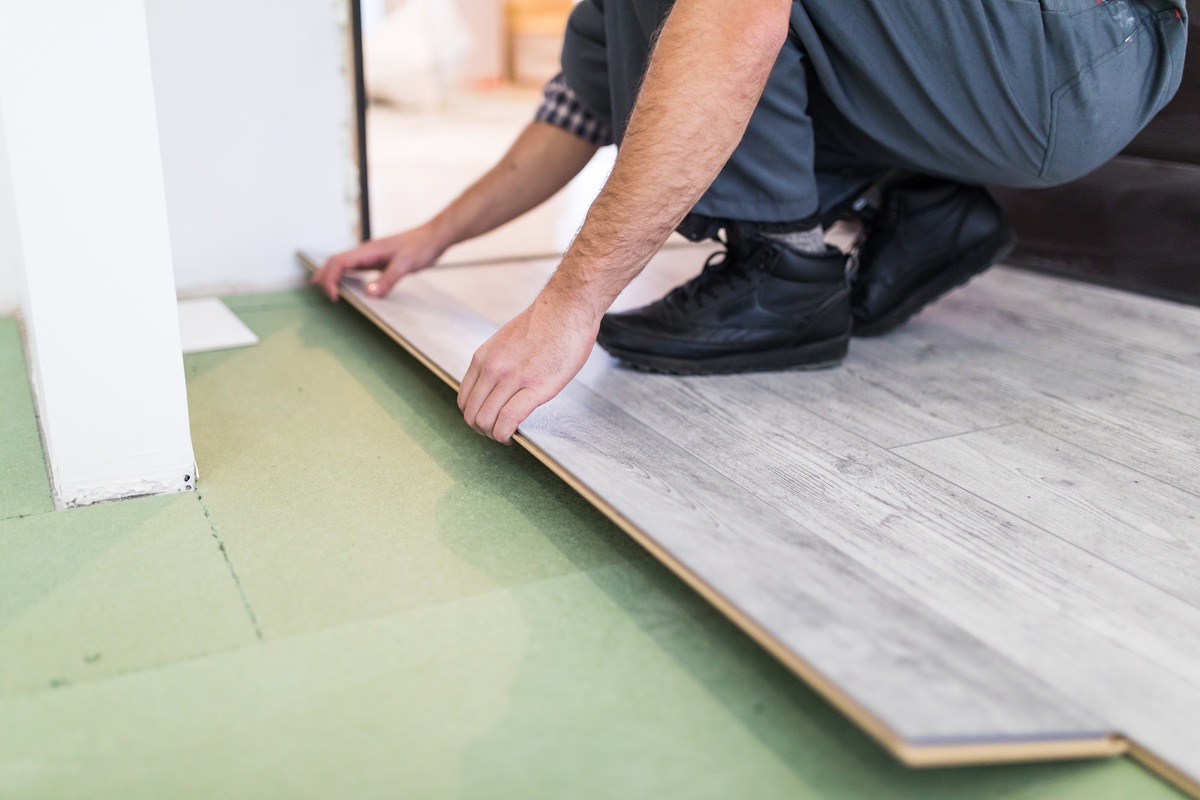
All three options are generally suited to click-lock, floating installation, making them accessible for both professional installers and confident DIYers. Hybrid flooring and laminate tend to have the most straightforward, forgiving click systems.
Subfloor Tolerance
How Each Handles Imperfect Subfloors
- Hybrid flooring: rigid core handles minor subfloor imperfections well, though very uneven surfaces still need preparation
- Laminate: similarly forgiving, but moisture barriers are essential over concrete subfloors
- Vinyl: flexible sheet vinyl is the most forgiving of all on uneven surfaces, moulding closely to the subfloor beneath it
Comparing Cost and Long-Term Value
Upfront Pricing
Laminate is often the most budget-friendly option upfront, followed closely by standard vinyl, with hybrid flooring typically sitting at a slightly higher price point due to its more advanced, multi-layer construction.
Long-Term Value Considerations
Because hybrid flooring combines strong durability with full waterproofing, it often delivers better long-term value in moisture-prone or high-traffic areas, potentially offsetting its higher upfront cost through a longer usable lifespan and fewer repairs.
Which One Actually Wins?
Best for Wet or High-Traffic Areas
Hybrid flooring is generally the strongest choice for kitchens, bathrooms, and busy family homes, thanks to its combination of full waterproofing and rigid, dent-resistant durability.
Best for Budget-Conscious Renovations
Laminate remains a strong choice for dry, lower-traffic areas like bedrooms and living rooms where budget is the primary concern and moisture exposure is minimal.
Best for Uneven or Older Subfloors
Vinyl, particularly flexible sheet vinyl, is often the best fit for older homes with imperfect subfloors, where its ability to conform to minor irregularities outweighs the firmer feel of hybrid or laminate.
Final Thoughts
There’s no single winner that suits every home, but hybrid flooring stands out as the most versatile all-rounder, combining the water resistance of vinyl with the sturdy, realistic feel of laminate. For most modern households balancing durability, style, and everyday practicality, it’s often the option that comes out on top though the right choice ultimately depends on the specific room, budget, and subfloor involved.