
Metal Hose Assemblies: Reliable Solutions for Demanding Industrial Applications
Industrial facilities depend on reliable piping and fluid transfer systems to keep operations running safely and efficiently. From chemical processing plants to power generation facilities, equipment must handle changing temperatures, pressure, vibration, and movement. Metal Hose Assemblies provide flexible connections that help address these challenges while supporting the transportation of liquids, gases, steam, and other materials in demanding industrial environments.
Unlike rigid piping, flexible metal hose can accommodate certain types of movement and help reduce stress on connected equipment when properly selected and installed. Understanding how these assemblies work, where they are used, and what to consider when choosing them can help businesses make informed decisions about industrial hose requirements.
What Are Metal Hose Assemblies?
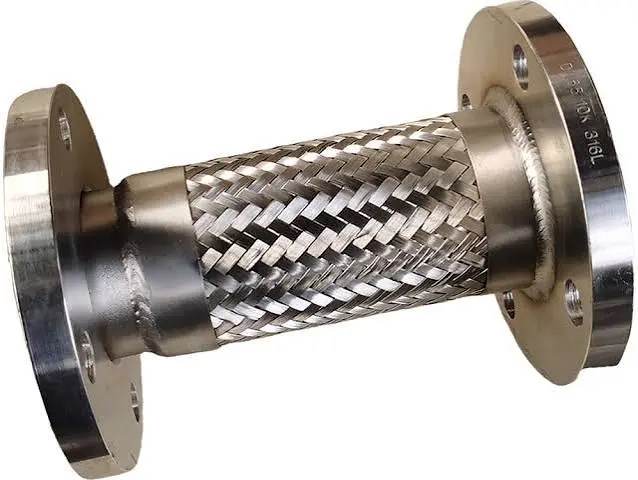
Metal hose assemblies are flexible piping components made from metal hose connected to end fittings or other attachment hardware. They are designed to create a flexible connection between equipment, pipelines, pumps, compressors, and industrial systems.
A typical assembly may include corrugated metal hose, stainless steel reinforcement braid, and fittings selected for the intended application. The exact construction depends on operating pressure, temperature, fluid compatibility, movement, and installation requirements.
Corrugated metal hose features a flexible, formed metal tube that can bend and accommodate movement. Braiding can provide additional pressure reinforcement when specified as part of the assembly design. Different configurations are available for different industrial applications.
Why Are Metal Hose Assemblies Important in Industrial Systems?
Industrial equipment does not always remain stationary. Pumps generate vibration, piping systems experience thermal expansion, and machinery may move during normal operation. A rigid connection in these situations can transfer unwanted forces to connected components.
Metal hose assemblies provide flexibility that can help manage these conditions when the assembly is correctly designed.
1. Managing Equipment Vibration
Pumps, compressors, engines, and other rotating equipment can produce vibration during operation. A properly selected flexible metal hose assembly can help isolate vibration between connected components, reducing the transmission of mechanical movement through the piping system.
2. Accommodating Thermal Movement
Temperature changes can cause industrial piping to expand or contract. Flexible metal hose assemblies can accommodate certain movements and help maintain connections between equipment and piping. Correct installation and movement calculations are important for reliable performance.
3. Supporting High-Temperature Applications
Metal hose is often selected for applications involving elevated temperatures, including steam systems, industrial heating equipment, and certain manufacturing processes. The appropriate alloy, construction, and fittings must be selected according to actual operating conditions.
4. Providing Flexible Connections
Industrial installations may have limited space or equipment connections that require flexibility. Metal hose assemblies can be configured with different lengths, end fittings, and connection orientations to meet specific installation requirements.
Common Types of Metal Hose Assemblies
Different hose constructions serve different purposes. Choosing the correct type depends on the material being conveyed and the mechanical demands of the application.
Corrugated Metal Hose Assemblies: These assemblies use a corrugated metal tube designed to provide flexibility. They are commonly used for fluid transfer, equipment connections, vibration management, and applications involving movement.
Braided Metal Hose Assemblies: These feature one or more layers of metal braid around the hose. The braid helps reinforce the assembly and resist pressure-related forces. The required braid construction depends on the working pressure and application.
Stripwound Metal Hose Assemblies: Stripwound hose is manufactured by interlocking shaped metal strips. Depending on its construction, it can provide flexibility, abrasion resistance, or protection for cables and other components. It is used in applications such as dry bulk handling and industrial equipment connections.
Specialized Metal Hose Assemblies: Some operating environments require specialized materials, insulation, armor, or attachment methods. These assemblies may be designed for challenging industrial conditions, including high temperatures, corrosive environments, or specific transfer requirements.
Industries That Use Metal Hose Assemblies
Metal hose assemblies are used across many industrial sectors because different manufacturing and processing operations require flexible, durable connections.
- Oil and Gas: Used in selected transfer, process, and equipment connection applications.
- Chemical Processing: Supports suitable chemical transfer and process piping connections when material compatibility is verified.
- Steel Manufacturing: Helps connect equipment exposed to heat, vibration, and demanding operating conditions.
- Power Generation: Used in certain steam, cooling, and industrial utility systems.
- Petrochemical Facilities: Supports connections in processing and transfer systems.
- Marine Applications: Flexible metal products can be used in selected shipboard and industrial fluid systems.
- Food and Pharmaceutical Manufacturing: Specialized assemblies may be selected where application requirements call for suitable materials and construction.
The correct assembly must always be selected according to the specific media, pressure, temperature, movement, and applicable industry requirements.
How to Choose the Right Metal Hose Assembly
Selecting an industrial hose assembly requires more than choosing a diameter and length. Several technical factors influence safety, service life, and performance.
Operating Pressure: Determine the normal and maximum pressure the assembly will experience. Pressure ratings can vary with temperature, hose size, braid construction, and assembly design.
Temperature Range: Consider both the temperature of the conveyed material and the surrounding environment. Temperature can affect material strength and pressure capacity.
Material Compatibility: Identify the fluid or gas being conveyed, including its concentration and operating conditions. Stainless steel grades and other available alloys should be evaluated for corrosion resistance and compatibility.
Hose Length and Movement: The assembly must have sufficient length and be installed in a way that accommodates the expected movement without excessive bending, twisting, or tension.
End Fittings: Connection types, materials, orientation, and attachment methods must match the connected equipment and piping.
Testing Requirements: Depending on the application, testing may include leak testing, hydrostatic testing, high-pressure testing, or other specified inspection procedures.
Why Work With an Experienced Metal Hose Manufacturer?
Industrial hose selection can involve complex engineering considerations. An experienced manufacturer can help evaluate operating conditions, recommend suitable hose constructions, and identify appropriate fittings and fabrication methods.
Hose Master manufactures flexible metal hose and metal expansion joints, including corrugated and stripwound metal hose products. Its services include application engineering support, specialized attachment techniques, and testing options. These capabilities can help customers identify solutions suited to their particular industrial requirements.
Businesses looking for technical product information can explore the available products, resources, and application guidance at Hose Master.
Frequently Asked Questions
What is the purpose of a metal hose assembly?
A metal hose assembly creates a flexible connection between industrial equipment and piping. It can accommodate certain movements, manage vibration, and transfer compatible fluids or gases.
Are metal hose assemblies suitable for high-pressure applications?
Some assemblies are designed for high-pressure service. The appropriate design depends on hose construction, reinforcement, temperature, fittings, and the specified working pressure.
What is the difference between corrugated and stripwound metal hose?
Corrugated hose uses a formed metal tube with corrugations, while stripwound hose is made from interlocked metal strips. Each construction serves different application requirements.
How can the service life of a metal hose assembly be improved?
Correct selection, proper installation, suitable operating conditions, routine inspection, and compliance with manufacturer handling guidance can help support longer service life.
Conclusion
Metal hose assemblies play an important role in industrial systems that require flexible, reliable connections. By accommodating movement, helping manage vibration, and supporting suitable fluid transfer applications, they provide practical solutions for many demanding operating environments.
Selecting the right hose construction, materials, fittings, and testing requirements is essential for dependable performance. Working with an experienced manufacturer such as Hose Master can help businesses evaluate their requirements and identify metal hose solutions suited to their industrial applications.