
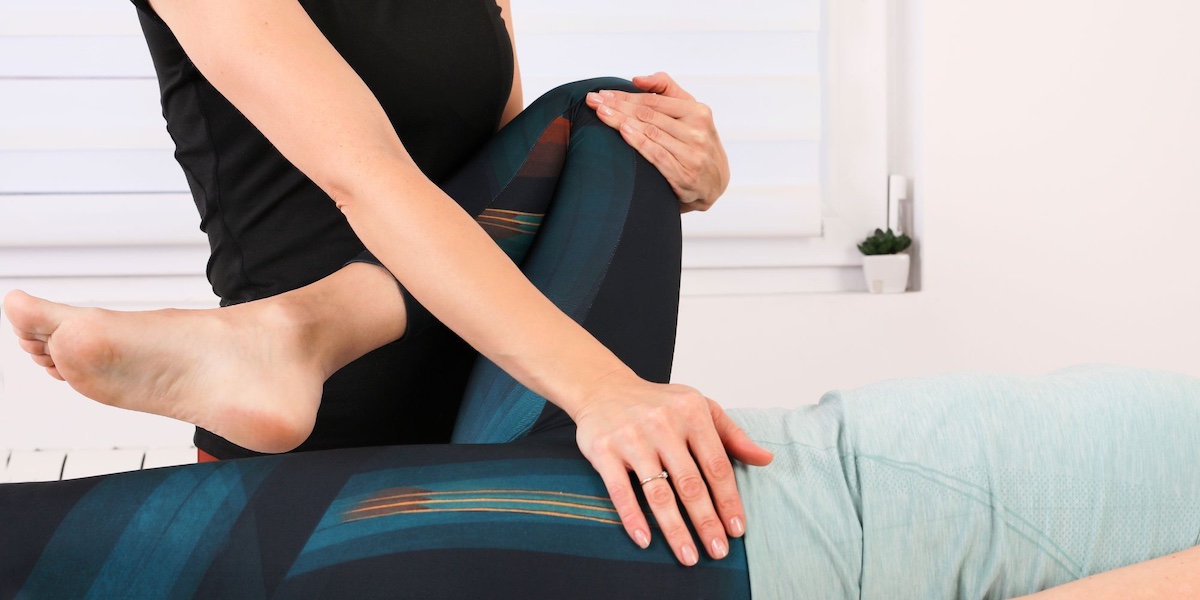
When to Consider Physical Therapy for Pelvic Floor Dysfunction
Pelvic floor problems can affect everyday activities in ways that are often difficult to discuss. Bladder leakage, pelvic discomfort, pressure, constipation, and pain during certain movements may interfere with exercise, work, sleep, and personal comfort. Although these symptoms are sometimes dismissed as normal consequences of aging, pregnancy, or childbirth, they can indicate an underlying issue that deserves attention.
Pelvic Floor Physical Therapy is a specialized rehabilitation approach that helps address problems involving the muscles and connective tissues supporting the bladder, bowel, and reproductive organs. Through an individualized evaluation and appropriate treatment techniques, physical therapy can help patients improve muscle coordination, manage discomfort, and develop better control over pelvic floor function. Recognizing when to seek professional support is an important step toward improving quality of life.
Understanding Pelvic Floor Dysfunction
The pelvic floor consists of muscles and connective tissues located at the base of the pelvis. These structures support internal organs and contribute to bladder and bowel control, core stability, and sexual function.
Pelvic floor dysfunction occurs when these muscles do not coordinate or function properly. Some individuals experience muscles that are too weak, while others have excessive tension or difficulty relaxing them. In certain cases, weakness and muscle tightness can exist together.
Because symptoms vary, treatment should begin with a proper assessment rather than assuming every pelvic floor problem requires strengthening exercises. The right approach depends on muscle function, medical history, and individual concerns.
Common Signs That May Indicate a Need for Therapy
Pelvic floor dysfunction can present through several symptoms. Recognizing persistent changes can help individuals decide when to discuss their concerns with a healthcare professional.
1. Urinary Leakage or Bladder Control Problems
Urinary incontinence is one of the most common reasons people seek pelvic floor rehabilitation. Leakage may occur when coughing, sneezing, laughing, lifting objects, or exercising.
Some individuals also experience sudden urges to urinate, frequent bathroom visits, or difficulty fully controlling bladder function. Physical therapy may help improve pelvic floor coordination and strength through targeted exercises and bladder-management education.
2. Persistent Pelvic Pain or Pressure
Pelvic discomfort may feel like aching, tightness, heaviness, or pressure around the lower abdomen, hips, or pelvic region. Symptoms can become more noticeable during prolonged sitting, physical activity, or certain movements.
Overactive or poorly coordinated pelvic floor muscles may contribute to some forms of pelvic pain. A physical therapist can assess muscle tension, movement patterns, and surrounding muscle function to determine whether rehabilitation may be appropriate.
3. Bowel Control and Constipation Difficulties
The pelvic floor muscles help coordinate bowel movements. When these muscles do not relax or contract properly, individuals may experience constipation, straining, incomplete emptying, or difficulty controlling gas.
Pelvic floor therapy may include relaxation training, breathing exercises, coordination techniques, and education about healthier bowel habits. Treatment depends on the underlying problem and should be guided by an appropriate evaluation.
4. Recovery Challenges After Pregnancy and Childbirth
Pregnancy and childbirth place considerable demands on the pelvic floor. Changes in muscle strength, tissue support, and coordination may contribute to urinary leakage, pelvic pressure, discomfort, or reduced core stability.
Postpartum rehabilitation can help individuals gradually rebuild strength and coordination. A personalized assessment is particularly important after complicated deliveries, significant pain, or other childbirth-related concerns.
5. Discomfort During Physical Activity
Some people experience pelvic heaviness, pain, or leakage while walking, running, lifting weights, or participating in fitness activities. These symptoms may lead them to avoid exercise or reduce their activity levels.
Physical therapy can evaluate how the pelvic floor works with the abdominal muscles, hips, and breathing system during movement. Treatment may focus on improving coordination and developing better control during physical activities.
How Pelvic Floor Physical Therapy Helps
Pelvic floor rehabilitation uses different techniques depending on whether the muscles are weak, overly tense, poorly coordinated, or affected by another condition.
Strengthening Weak Pelvic Floor Muscles
When the pelvic floor muscles lack adequate strength or endurance, targeted exercises may help improve their ability to support internal organs and contribute to bladder control.
Kegel exercises are commonly discussed, but they are not suitable for everyone. Performing repeated contractions when the muscles are already overly tight may worsen certain symptoms. A therapist can determine whether strengthening is appropriate and teach patients how to perform exercises correctly.
Relaxation and Muscle Coordination
Some pelvic floor conditions involve muscles that remain contracted or struggle to relax when needed. In these cases, treatment may include diaphragmatic breathing, gentle stretching, relaxation exercises, and coordination training.
Learning how to contract and release these muscles appropriately can be just as important as improving strength.
Improving Core and Hip Function
The pelvic floor works alongside the abdominal muscles, diaphragm, and hip muscles to support movement and stability. Weakness or poor coordination in surrounding muscle groups may affect how the pelvic region functions during daily activities.
A rehabilitation program may include gentle core exercises, hip strengthening, posture training, and movement education to improve overall physical coordination.
When Should You Seek Professional Help?
Occasional symptoms may not always indicate a serious problem, but persistent or worsening issues should not be ignored. Consider speaking with a healthcare professional if you experience:
- Regular urinary leakage or difficulty controlling bladder urges.
- Ongoing pelvic pain, pressure, or heaviness.
- Persistent constipation or difficulty emptying your bowels.
- Pelvic discomfort following pregnancy or childbirth.
- Pain or leakage that interferes with exercise and everyday movement.
- Symptoms that affect sleep, work, or personal confidence.
A proper medical evaluation can help identify possible causes and determine whether pelvic floor rehabilitation is suitable. New severe pelvic pain, unexplained bleeding, fever, or sudden changes in bladder or bowel function require prompt medical assessment.
What to Expect During a Pelvic Floor Therapy Evaluation
An initial appointment generally involves discussing symptoms, medical history, daily activities, and personal treatment goals. The therapist may assess posture, breathing patterns, abdominal strength, hip mobility, and pelvic floor muscle coordination.
An internal pelvic floor examination may sometimes be recommended, depending on the clinical situation. However, it requires informed consent and should only be performed when appropriate. Patients can discuss their concerns, ask questions, and understand their options before agreeing to any examination.
Treatment plans should also be reviewed regularly to ensure exercises remain appropriate as symptoms and physical abilities change.
Choosing the Right Physical Therapy Provider
Selecting a rehabilitation provider requires attention to clinical experience, communication, evaluation methods, and treatment options. Patients should ask about experience with their particular symptoms and whether the provider offers pelvic health rehabilitation.
Sam’s Physical Therapy, P.C. is a practice individuals can consider when exploring physical therapy options for pelvic health and movement-related concerns. Discussing available services, treatment approaches, and individual rehabilitation needs can help determine whether an evaluation is an appropriate next step.
Pelvic floor dysfunction can affect comfort, confidence, and everyday independence, but persistent symptoms do not have to be accepted as an unavoidable part of life. Understanding the problem and seeking appropriate professional guidance can help you explore effective ways to improve pelvic muscle function and daily comfort. If you are experiencing ongoing pelvic floor symptoms, consider consulting a qualified healthcare professional to discuss whether physical therapy may be suitable for your needs.