
Platform Weighing Scale: Reliable Equipment for Industrial and Commercial Applications
Accurate weight measurement is essential for businesses that handle heavy goods, packaged products, raw materials, and industrial components.
A platform weighing scale provides a practical solution for measuring items that require a larger and stronger weighing surface than standard tabletop equipment. Across the UAE, businesses in logistics, manufacturing, construction, warehousing, and distribution rely on suitable weighing systems to manage materials efficiently and maintain consistent operational procedures.
Platform scales are available in different sizes, capacities, and designs to support a wide range of applications. Some models are suitable for everyday commercial weighing, while heavy-duty versions are designed for demanding industrial environments. Choosing the right equipment helps businesses improve weighing efficiency, organize inventory, and obtain dependable measurements during routine operations.
What Is a Platform Weighing Scale?
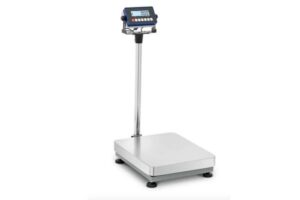
A platform weighing scale is a weighing device with a broad, flat surface designed to support products, containers, packages, or other materials. Many modern models use electronic load cells to detect the applied load and transmit the measurement to a digital indicator.
Compared with compact tabletop scales, platform models can accommodate larger objects and heavier loads. Their design makes them suitable for workplaces where products need to be weighed before storage, packaging, transportation, or further processing.
Depending on the model, a platform scale may include a digital display, tare function, rechargeable battery, counting mode, or data connectivity. Available features vary, so businesses should review the technical specifications before selecting a model.
Why Businesses in the UAE Use Platform Scales
The UAE has an active logistics and commercial sector, with businesses regularly handling shipments, inventory, industrial materials, and packaged goods. Accurate weighing supports these activities by helping employees measure products consistently and maintain reliable records.
Platform scales can make routine weighing tasks more convenient because larger items can be placed directly on the weighing surface. This may reduce unnecessary handling and help employees complete receiving, dispatch, and stock-control procedures more efficiently.
For example, a distribution centre may use a platform scale to check cartons before shipment, while a manufacturing facility may weigh raw materials before production. A wholesale business may use suitable equipment to verify the weight of packaged goods before dispatch.
The correct scale depends on the load, the workplace environment, and the level of measurement detail required.
Common Applications of Platform Weighing Scales
1. Warehousing and Logistics
Warehouses receive, store, and dispatch goods of different sizes and weights. Platform weighing equipment can help employees verify packages, check incoming deliveries, and support stock-management procedures.
A suitable scale should provide enough platform space for the packages being handled. Businesses should also consider the location of the weighing station and how goods will be placed on or removed from the platform.
2. Manufacturing and Production
Manufacturing facilities often need to measure raw materials, components, and finished products. Platform scales can support production workflows by helping employees verify quantities before materials move to the next stage.
Consistent weighing procedures may also help identify differences between expected and actual quantities. For operations that require integration with production software, buyers should confirm whether the selected equipment supports the necessary communication interfaces.
3. Construction and Building Materials
Construction-related businesses may handle packaged materials, equipment components, and other heavy items. Depending on the application, a platform scale with appropriate capacity can help measure materials during storage and distribution.
The equipment must be suitable for the workplace and installed according to the manufacturer’s requirements. Dust, rough handling, uneven floors, and vibration should all be considered when choosing a scale for demanding environments.
4. Wholesale and Distribution
Wholesale businesses frequently manage products in bulk quantities. Platform scales can help verify shipment weights and support routine inventory checks.
When selecting equipment, businesses should consider the average and maximum load, the dimensions of typical packages, and how frequently the scale will be used. These factors help determine which design is most appropriate.
5. Food Processing and Packaging
Food manufacturers and packaging facilities may use platform scales to measure bulk ingredients, containers, and batches of products. Accurate measurements can support portion control and help maintain consistency during production.
In environments that require frequent cleaning, suitable construction materials and environmental protection are important. Businesses should confirm that the chosen model is appropriate for their hygiene and moisture-exposure requirements.
Important Features to Consider Before Buying
Choosing the right platform scale requires more than selecting a model with a high maximum capacity. Businesses should evaluate the equipment according to the actual loads and conditions involved.
Consider these key factors:
- Weighing capacity: Select a scale that can accommodate the heaviest expected load without exceeding its rated limit.
- Platform dimensions: Ensure the surface is large enough to support the items being weighed safely.
- Readability: Check the smallest displayed increment and confirm that it meets the application’s requirements.
- Construction quality: Choose materials suited to the frequency and intensity of daily use.
- Digital indicator: Look for a display that is easy to read from the operator’s normal working position.
- Environmental protection: Consider exposure to dust, moisture, chemicals, and temperature variations.
- Installation requirements: Check floor conditions, available space, access for loading, and any need for ramps.
- Maintenance and calibration: Review service requirements and confirm the availability of suitable technical support.
Comparing these features helps businesses avoid purchasing equipment that is unsuitable for their operational needs.
How to Maintain a Platform Weighing Scale
Proper maintenance helps keep weighing equipment in dependable working condition. Incorrect installation, overloading, accumulated debris, and excessive vibration can affect measurement performance.
Install the scale on a stable, level surface and follow the manufacturer’s instructions. Keep the platform clean and ensure that the load is positioned correctly during measurement. Objects should not touch nearby walls, equipment, or other surfaces in ways that could affect the reading.
Employees should avoid exceeding the rated capacity and should report unusual readings or visible damage. Regular inspection can help identify problems before they interrupt normal operations.
Calibration and verification should be arranged according to the manufacturer’s recommendations, equipment usage, and applicable regulatory requirements. Where scales are used for commercial transactions, businesses should also confirm the relevant legal-for-trade requirements in the UAE.
Training employees in correct loading procedures and safe equipment handling can further improve consistency and reduce avoidable damage.
Selecting a Platform Weighing Scale Supplier in the UAE
Choosing suitable weighing equipment involves assessing both the product and the support available from the supplier. Businesses should look for clear specifications, guidance on capacity selection, and information about maintenance and calibration services.
Al Falah Scales is a weighing equipment provider in the UAE that businesses can consider when exploring commercial and industrial weighing solutions. Before making a purchase, buyers should explain their application, maximum load, required readability, platform dimensions, and operating conditions.
It is also important to confirm current product availability, technical specifications, installation requirements, and after-sales support directly with the provider. This helps ensure that the selected equipment is appropriate for the intended workplace.
Conclusion
A platform weighing scale is valuable equipment for businesses that regularly measure large packages, heavy products, and industrial materials. Its applications extend across warehousing, manufacturing, construction, wholesale distribution, and food processing. By evaluating capacity, platform dimensions, readability, construction, and maintenance requirements, businesses can select a weighing solution that supports their operational needs. Correct installation, careful handling, and regular calibration or verification help maintain reliable measurements and contribute to efficient daily operations.
Frequently Asked Questions
1. What is a platform weighing scale used for?
A platform weighing scale measures the weight of packages, containers, raw materials, and other items that require a larger weighing surface. It is commonly used in warehouses, factories, distribution centres, and commercial facilities.
2. How do I choose the correct platform scale capacity?
Identify the maximum weight of the items you intend to measure and consider the dimensions of the load. Select a scale with an appropriate rated capacity and readability for the application.
3. Does a platform weighing scale require regular maintenance?
Yes. Keeping the platform clean, avoiding overloads, checking the installation, and following the manufacturer’s maintenance instructions help support reliable performance. Calibration or verification may also be required depending on the application.