
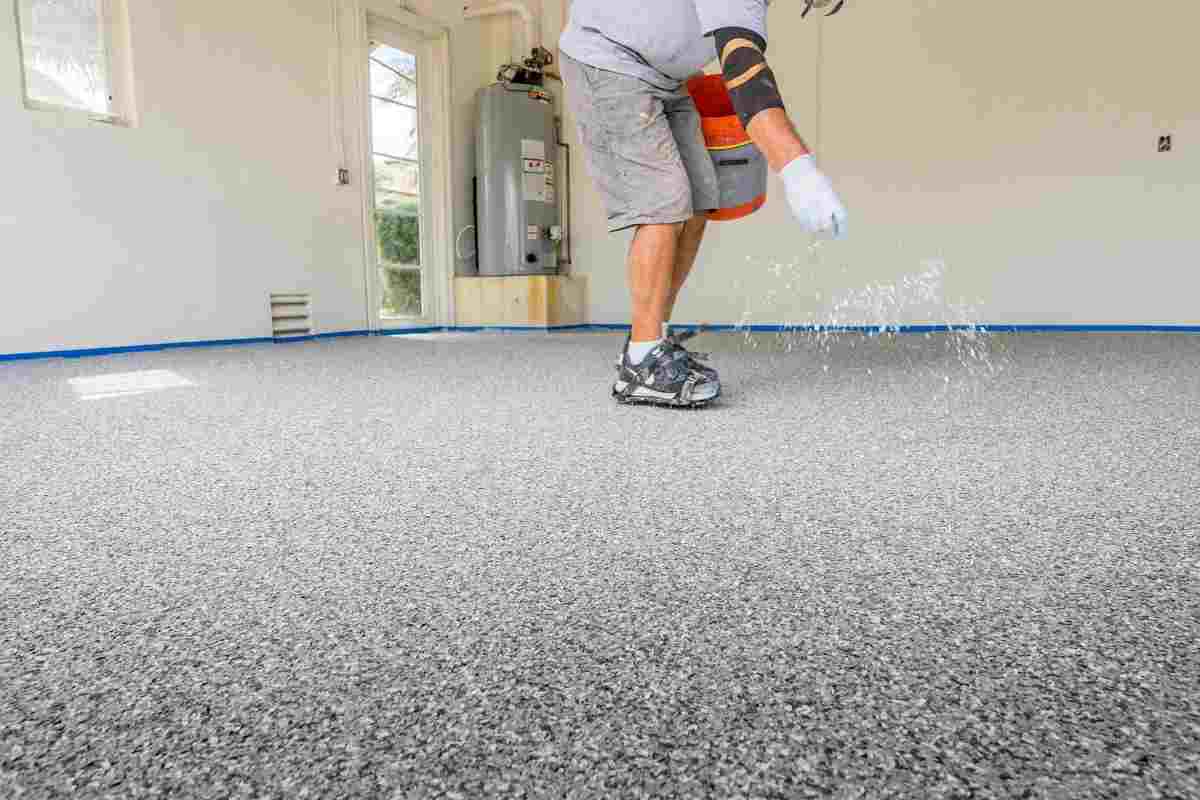
Polyaspartic Floor Coating A Durable Solution for Modern Concrete Floors
Concrete floors are widely used in garages, warehouses, commercial buildings, workshops, and industrial facilities. They are strong, but daily use can lead to scratches, stains, dust, and surface damage. A reliable flooring system helps protect concrete and keeps it looking clean for longer. Polyaspartic floor coating is a popular option for property owners who want a durable surface, an attractive finish, and less maintenance.
Choosing the right coating involves more than selecting a color or finish. The condition of the concrete, the level of daily traffic, and the quality of surface preparation all affect the final result. Understanding these factors can help property owners make a better decision for their flooring projects.
What Is Polyaspartic Floor Coating?
Polyaspartic coating is a protective floor finish made using polyaspartic polyurea technology. It is applied over a properly prepared surface to create a strong layer that helps protect concrete from everyday wear. Depending on the product and installation system, it can offer resistance to stains, abrasion, and sunlight.
One major advantage is its fast curing time. Many systems allow a floor to return to service sooner than some traditional coatings, although the exact timing depends on the product, temperature, humidity, and installation conditions. This can be helpful for businesses that want to reduce interruptions to their daily operations.
The coating is also available in different colors and finishes. Decorative flakes and other finish options can create a clean, professional appearance while helping the floor fit the design of a garage, showroom, workshop, or commercial space.
Key Benefits of Polyaspartic Floor Coating
1. Durable Protection for Everyday Use
Concrete floors often experience foot traffic, moving equipment, dropped tools, and repeated cleaning. Over time, these activities can wear down an unprotected surface. A suitable coating adds a protective layer that helps the floor withstand regular use.
The actual performance depends on the coating system, the concrete condition, and the amount of traffic the floor receives. Choosing a product that matches the space is important for achieving reliable results.
2. Faster Return to Service
Long installation periods can create problems for homes and businesses. A garage may be difficult to use, while a commercial facility may need to limit access to certain areas. Fast-curing products can help shorten this disruption.
However, fast curing does not mean every floor is ready for immediate use. Walking, placing heavy equipment, and driving vehicles on the surface may require different waiting periods. Installers should follow the manufacturer’s instructions before reopening the area.
3. Easier Cleaning and Maintenance
Bare concrete can collect dust and absorb certain liquids, making it harder to maintain. A properly installed coating creates a smoother surface that is generally easier to clean. Regular sweeping and suitable cleaning products can help remove dirt before it builds up.
For businesses, this can support a cleaner working environment. In garages and workshops, a coated surface can also make routine cleaning less difficult. Spills should still be cleaned promptly, and the correct cleaning method should be used to protect the finish.
4. Improved Appearance
A floor can affect the overall appearance of a property. A clean, consistent finish can make a garage look more organized and give a commercial workspace a more professional feel. Decorative flakes, different colors, and gloss levels provide options for different needs.
Property owners should consider both appearance and function. A finish that looks attractive should also suit the floor’s expected traffic, cleaning routine, and working conditions.
Where Can Polyaspartic Floor Coatings Be Used?
Garages and Residential Spaces
Garages are exposed to vehicle tires, dirt, oil spills, and changing temperatures. A suitable floor coating can help protect the concrete and make routine cleaning easier. Homeowners should choose a system designed for garage use and allow enough time for proper installation and curing.
Commercial Buildings
Retail stores, service centers, offices, and other commercial spaces need floors that can handle regular foot traffic. Commercial polyaspartic coatings can be a practical option when durability, appearance, and limited downtime are important. The best choice depends on the type of business, expected traffic, and the conditions inside the building.
Industrial Facilities and Workshops
Workshops and industrial spaces may face heavier demands, including equipment movement, dropped tools, and contact with certain chemicals. Selecting the correct coating system is essential because not every product offers the same level of protection. A professional assessment can help identify the right solution for the working environment.
Why Proper Concrete Surface Preparation Matters
A quality coating needs a properly prepared surface. Even a high-performance product may fail if the concrete underneath is weak, contaminated, or unsuitable for application. Surface preparation helps create the conditions needed for the coating to bond effectively.
Cleaning and Grinding the Concrete
The concrete should be free from dust, grease, oil, and other contaminants that could interfere with adhesion. Mechanical grinding is often used to remove weak surface material and create a suitable profile for the coating. The exact preparation method depends on the condition of the existing floor and the product being installed.
Repairing Cracks and Surface Damage
Cracks, small holes, and damaged areas should be inspected before coating begins. Suitable repair materials may be needed to create a more consistent surface. However, cracks caused by ongoing movement or structural problems require further evaluation because a coating alone may not solve the underlying issue.
Checking Moisture Conditions
Moisture inside concrete can affect coating performance. Installers should evaluate the floor when necessary and follow the product manufacturer’s requirements for moisture levels and environmental conditions. Taking these steps before installation can help reduce the risk of adhesion problems and premature failure.
Professional polyaspartic concrete coating installation should therefore include an assessment of the existing slab, appropriate preparation, and careful application of the selected system.
Polyaspartic Coatings Compared With Traditional Floor Coatings
Different floor coatings serve different purposes. Epoxy systems are commonly used for concrete protection and can provide a durable finish when correctly installed. Polyaspartic systems are often selected for their fast curing characteristics and good resistance to sunlight, depending on the product.
Neither option is automatically best for every project. Cost, floor condition, installation conditions, expected traffic, and maintenance requirements should all be considered. Some projects may benefit from a multi-layer system that combines different materials to achieve the required performance.
Property owners should ask installers about the complete system rather than comparing products based only on price. The preparation method, primer, coating thickness, finish, and curing requirements all contribute to the overall result.
How to Choose the Right Floor Coating Professional
Choosing an experienced contractor can make a significant difference in the quality of a flooring project. Before hiring a professional, consider the following factors.
- Experience: Ask about previous projects involving similar concrete surfaces and usage conditions.
- Preparation methods: Confirm how the contractor will clean, grind, and repair the existing floor.
- Product selection: Make sure the recommended coating suits the intended application and environment.
- Clear estimates: Request details about preparation, materials, labor, repairs, and any additional costs.
- Maintenance guidance: Ask how to clean the finished floor and how long to wait before returning it to normal use.
Reliable polyaspartic coating services should include more than applying a product to concrete. A good contractor evaluates the surface, explains the proposed process, and follows the manufacturer’s application instructions.
Frequently Asked Questions
1. How long does polyaspartic floor coating take to cure?
Some systems cure quickly, sometimes allowing use within a day. The exact time depends on the product and site conditions. Always follow the manufacturer’s instructions before walking on the floor or moving vehicles and heavy equipment onto it.
2. Is polyaspartic coating suitable for commercial floors?
Yes, many systems are designed for commercial applications. The appropriate product depends on foot traffic, equipment loads, chemical exposure, and other site requirements.
3. Does concrete need preparation before coating?
Yes. Cleaning, grinding, crack repairs, and moisture checks may be necessary to help the coating bond properly and perform as intended.
4. Is polyaspartic coating easy to maintain?
Generally, yes. Regular sweeping, prompt spill cleanup, and cleaning with compatible products can help maintain its appearance. Avoid harsh cleaners unless the manufacturer confirms they are suitable.
5. How do I know which coating is right for my floor?
Consider the floor’s condition, expected traffic, budget, appearance, and exposure to chemicals or sunlight. A qualified contractor can assess these factors and recommend a suitable system.
Conclusion
A well-installed concrete coating can improve the appearance of a floor, simplify cleaning, and provide protection against everyday wear. Fast curing, durable performance, and a range of finish options make polyaspartic systems worth considering for garages, commercial buildings, and workshops. The most important steps are choosing a suitable product and ensuring that the concrete is properly prepared before installation. For property owners looking for professional surface preparation and flooring solutions, All West Surface Prep can be considered when planning a project that requires careful preparation and a durable finished surface.