
The Hidden Monthly Bill of a Car You Don’t Drive
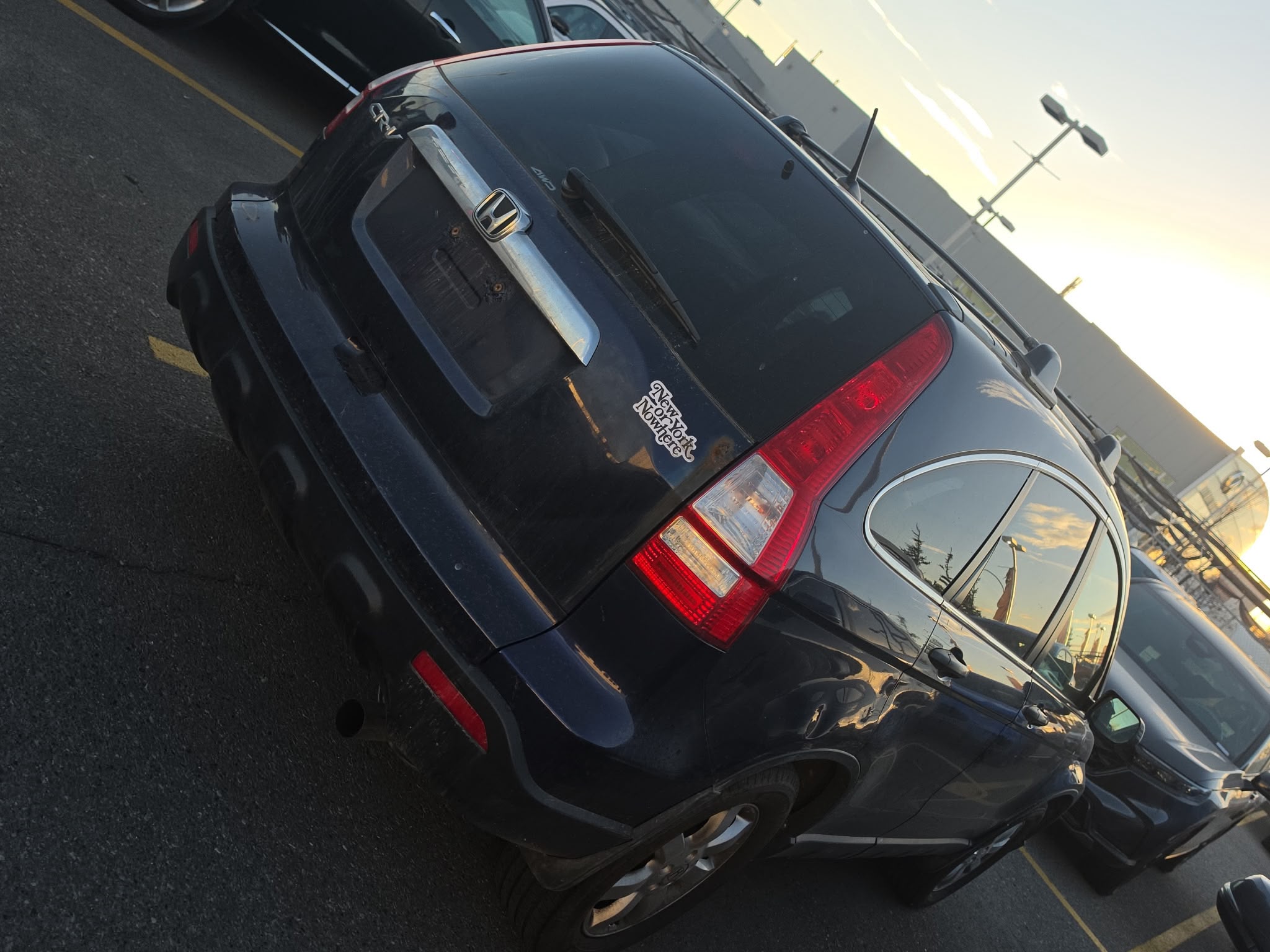
Picture a car that has not moved in three months. The engine is off, the tank is steady, and the odometer has stopped. It feels like the car is on pause, and pausing feels free.
It is not. An unused car sends you a bill every month, even though no invoice ever arrives. The costs are spread across insurance, registration, depreciation, space, deterioration, and stress, which makes them easy to overlook. This article adds them up, shows you how to calculate your own number, and helps you decide when to keep the car and when to let it go.
Why Parked Cars Feel Free
There are good reasons the costs stay hidden.
- No fuel, no kilometres. The most visible expenses of driving disappear.
- Bills are bundled. Insurance and registration may be billed monthly, quarterly, or annually, so the cost is not tied to the car’s use.
- Depreciation is invisible. Nobody sends you a bill for lost value.
- Space is an indirect cost. You already pay for your home, so the parking spot feels included.
- Deterioration is gradual. Problems appear slowly, and often all at once when you try to start the car.
Each cost is small enough to ignore. Together, they are not.
The Six Line Items of an Unused Car
1. Insurance
If the car is still insured, you are paying to protect something you do not use. Reducing coverage may lower the cost, but it can also limit your protection against theft, fire, or damage, so check what your policy allows. Cancelling coverage entirely may create other problems, depending on where the car is parked and what your local rules say.
2. Registration and plates
Registration renews on a schedule, and it costs the same whether the car drives 20,000 kilometres or none.
3. Depreciation
Cars lose value with age whether they move or not. Each month you wait, the sale price tends to drop, especially as the car approaches the point where repairs exceed worth.
4. Space
A garage stall or driveway has real value. You pay for it through rent, mortgage, or property tax, and an idle car occupies it. That space could hold a vehicle you use, tools, storage, or simply breathing room.
5. Deterioration
Cars are built to move. When they sit, several things happen:
- Batteries drain and may fail permanently
- Tires develop flat spots and dry rot
- Fuel breaks down and can clog the system
- Rubber seals and hoses crack
- Brake components corrode
- Pests can nest in engine bays and cabins
Each problem lowers the car’s value and raises the cost of getting it back on the road.
6. Mental load
Unfinished decisions use up attention. A car you keep meaning to deal with becomes a daily reminder of a task you are avoiding. This cost is real even though it cannot be put on a receipt.
The Hidden Monthly Bill Calculator
Grab a pen and fill in your own numbers. Use estimates where you do not have an exact figure.
- Monthly insurance cost (or annual cost divided by 12)
- Monthly registration cost (annual fee divided by 12)
- Monthly depreciation (estimate the car’s value drop over a year, divided by 12)
- Monthly value of the space (what the parking spot would rent for, or what you would pay for storage)
- Expected repair or revival cost, divided by the number of months you expect to keep it
- Any other recurring costs, such as storage fees or a battery tender
Add the six numbers. That is your hidden monthly bill.
Now multiply it by twelve to see the annual cost. Compare that figure with what the car would sell for today. If the annual cost is close to, or higher than, the sale price, the car is costing you more than it is worth.
A Worked Example (Illustrative Only)
Imagine an older sedan that nobody drives. The numbers below are examples to show how the calculator works, not real quotes.
- Insurance and registration together add up to a few hundred dollars a month at most, and often much less.
- The car loses a bit of value every month, and the loss accelerates as it ages.
- The driveway space has a notional rental value, because the household could use it.
- A battery replacement and new tires are likely needed before the car can be driven again.
When the owner adds everything, the yearly total may be higher than the car’s current sale price. Selling now would stop all of those costs and put cash in hand.
The Costs Beyond the Calculator
Some downsides do not fit neatly into a spreadsheet.
Safety and security. Cars that sit unused can attract theft, vandalism, or pests. Thieves sometimes target catalytic converters and other valuable parts on parked vehicles.
Bylaw and neighbour issues. Many municipalities have rules about vehicles left on streets or in view for long periods. Check your local rules to avoid fines or complaints.
Weather damage. Extreme cold, heat, and moisture can speed up rust, cracking, and corrosion on a car that is not moving.
Opportunity cost. The money tied up in a car could be paying down debt, building savings, or covering a deposit on something you will actually use.
Keep, Sell, or Scrap? A Decision Guide
Keep it if:
- You will truly drive it again in the near future
- You can afford the ongoing costs
- The car is in good condition and worth preserving
- It has sentimental value you are willing to pay for
Sell it if:
- You have not used it in three months or more
- Reviving it would cost more than half its value
- You already have another vehicle that meets your needs
- The space, insurance, and registration are costing more than the car is worth
- You are tired of thinking about it
Scrap or recycle it if:
- The car is unsafe or beyond economical repair
- It has no practical resale value as a driving vehicle
Even in the last case, many cars still carry value in parts and metal, so it is worth getting a quote before you give one away.
How to Sell an Unused Car Without the Headache
Selling a car you do not use should be simple. Here is a practical path.
1. Gather your information
Year, make, model, mileage if you know it, and a short, honest description of the condition.
2. Check what it is worth
Look at similar cars locally, or request quotes from several buyers.
3. Compare your options
- Private sale: can bring a higher price for a clean, running car, but takes time, messages, and meetings.
- Trade-in: convenient when buying another vehicle, though values are often modest.
- Cash-for-car buyers: built for speed and convenience, and they usually accept cars in any condition. Services such as cash for cars Calgary buyers often arrange pickup, which helps if the car does not run.
4. Prepare your paperwork
Have your registration and ID ready. If a lender holds a lien, ask for a payout amount first.
5. Confirm the terms
Ask about towing, fees, and payment method before you agree. A trustworthy buyer will put the price and details in writing.
6. Clear out the car
Remove your belongings from the glove box, trunk, and under the seats.
7. Handle plates and insurance
Follow your province’s rules for plates, and update or cancel insurance after the sale.
Protect the Car’s Value While You Decide
If you need a few weeks before selling, a few small steps limit further loss.
- Park in a garage or covered area if possible
- Use a battery tender or start the engine occasionally
- Keep the fuel tank mostly full to reduce moisture
- Wash off dirt, salt, and debris
- Check tire pressure
- Close up gaps where pests could enter
Common Mistakes to Avoid
Assuming a parked car costs nothing. Run the calculator.
Waiting for the “right time.” Depreciation and deterioration do not wait.
Cancelling insurance without checking the consequences. Make sure you understand what you are giving up.
Skipping the comparison. Quotes vary, and a short comparison can add real money.
Ignoring local rules. Leaving an unregistered car in view can lead to fines.
The Bottom Line
An unused car does not sit quietly. Every month it sends you a bill in insurance, registration, depreciation, space, deterioration, and mental load. Because none of those bills arrive in the mail, they are easy to ignore, until you add them up.
Take ten minutes to run the calculator, compare it with the car’s current value, and decide whether keeping it makes sense. If the answer is no, selling now stops the bill and puts money back in your hands. The sooner you act, the more of the car’s value you keep.
—
*About the author: This article was prepared for readers who want clear, practical guidance on the real costs of owning a vehicle they no longer use. For information on selling an unused car, visit Junk A Car Calgary.*